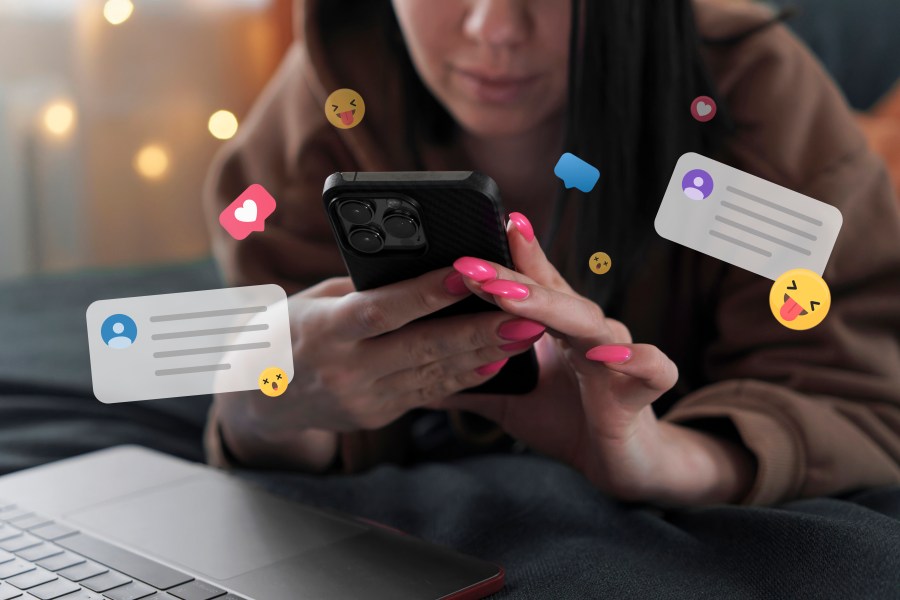
HONOLULU (KHON2) — In a world where texting, social media and DMs are part of everyday life, relationships have gotten more complicated. As such, a new term — micro-cheating — has entered the conversation; and it’s raising big questions in many relationships.
Is texting your ex micro-cheating? What about liking flirty photos online? If your partner is having private conversations with someone attractive, should you be worried?
KHON2.com did a bit of digging to find out more to break down what micro-cheating is, how to recognize it and what you can do if you suspect it’s happening in your relationship.
What Is micro-cheating?
Micro-cheating refers to small acts that may not be physical cheating, but still breach emotional trust in a relationship. These behaviors don’t always lead to a full-blown affair, but they can still cause hurt, confusion, and distrust.
Psychology experts are describing micro-cheating as any action that makes your partner question your loyalty or emotional commitment. This could be chatting secretly with an ex, flirting online or even hiding the fact that you’re in a relationship when someone shows interest.
These behaviors are often subtle. That’s why they’re called “micro”. But over time, they can build up into bigger problems.
1. It’s not always obvious. Micro-cheating can be hard to spot. It doesn’t usually involve physical contact, so it can fly under the radar.
2. It’s emotional. A person who is micro-cheating often shares emotional or intimate thoughts with someone other than their partner.
3. It often happens online. Texting, private messages and even emojis can become tools for micro-cheating.
4. Hiding it is part of the problem. When someone hides their conversations or relationships from their partner, even if nothing “bad” is happening, that secrecy can damage trust.
5. Small secrets can turn into big problems. Having lunch with an old friend isn’t always cheating but repeatedly keeping it secret might be.
6. It’s about patterns, not one mistake. One flirty comment may not mean much, but a pattern of hidden or suggestive behavior might be cause for concern.
7. It’s okay to feel uncomfortable. If something your partner does makes you feel disrespected, it’s okay to bring it up, even if it seems “small”.
8. Everyone has different boundaries. What feels like cheating to one person might feel totally normal to someone else. That’s why communication is key.
9. Micro-cheating can happen in happy relationships, too. It’s not always a sign that someone wants to cheat. Sometimes, people are simply seeking attention or connection outside the relationship without realizing the impact.
10. It doesn’t have to mean the end. If you spot micro-cheating, it doesn’t mean the relationship is doomed. Talking honestly and setting new boundaries can actually make the relationship stronger.
Is it cheating if there’s no physical touch?
Not necessarily. Micro-cheating lives in the gray area between casual behavior and emotional betrayal. What counts as micro-cheating can be different from couple to couple. One person might think following an ex on Instagram is harmless. Another might see it as a red flag.
Because of this, experts say the most important thing to do is to talk openly with your partner about what is and isn’t okay in your relationship.
Signs you (or your partner) might be micro-cheating
- Hiding texts, DMs or calls from a specific person.
- Getting defensive when asked about someone.
- Saying they’re “just friends” but acting flirty.
- Saving someone’s contact under a fake name.
- Keeping their relationship status private on social media.
- Confiding in someone else instead of their partner.
If any of these sound familiar, it might be time for a deeper conversation.
Is your partner doing it?
Micro-cheating can feel hard to prove. But if you notice a shift — such as your partner suddenly becoming more secretive with their phone or talking more about a certain coworker or friend — you might feel like something is off.
If you start discovering “harmless” secrets, like them spending time with someone they never mentioned before, that may be a warning sign. And if these behaviors repeat over time, your trust may begin to erode.
Rather than jump to conclusions, experts say it’s better to talk openly. Use “I” statements like, “I feel confused when I see you texting someone late at night and won’t tell me who it is.” Stay curious, but not accusatory.
Are you doing it?
Here’s the tough question: Could you be micro-cheating without realizing it?
Ask yourself:
- Would I be uncomfortable if my partner saw this message?
- Am I giving someone else the attention or affection I should be giving my partner?
- Am I hiding parts of my conversations or relationships?
If the answer to any of these is yes, it might be time to check in with yourself, and your partner.
Can you prevent micro-cheating?
Yes, and it starts with clear communication. It is advised that every couple have conversations about what counts as cheating, what kinds of relationships are okay outside the couple and what behaviors feel disrespectful.
It might feel awkward at first; but talking through boundaries early, and revisiting them often, helps avoid confusion and hurt later.
You might ask:
- Is it okay to text an ex?
- How would we feel if one of us confided in a friend instead of each other?
- Should we share passwords, or is privacy okay?
The bottom line
Micro-cheating may not involve kisses or hotel rooms, but that doesn’t mean it’s harmless. Trust in a relationship is built on honesty, respect and communication. When small behaviors start to feel like secrets, it’s time to pause and talk.
You can click here to read more about the psychological impacts of micro-cheating.
Whether you’re wondering about your partner’s actions, or your own, the key is to stay open, honest and curious. Relationships aren’t perfect, but clear conversations and shared values can help build something stronger than suspicion ever could.