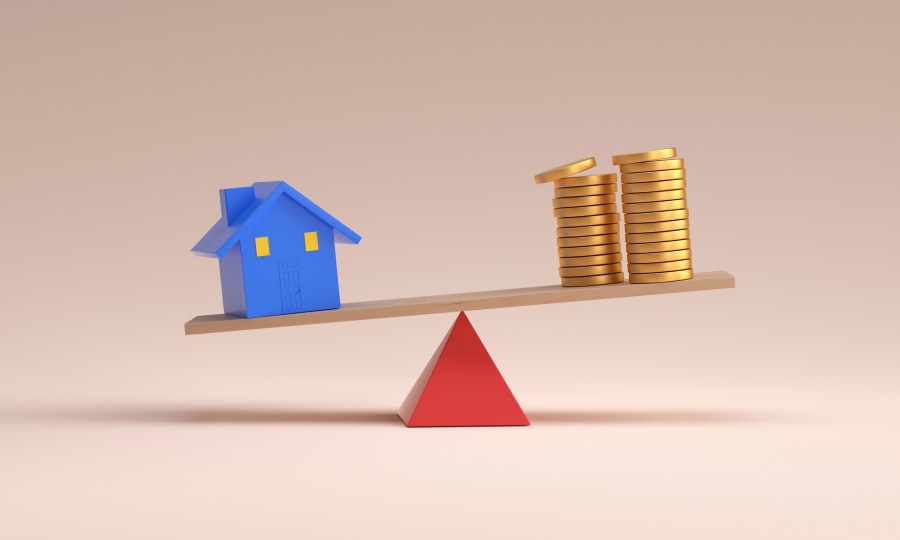
HONOLULU (KHON2) — Hawaiʻi is the top state where people spend the most on Housing. Housing in Hawaiʻi is amongst the most expensive in the United States.
Whether renting or owning a home, residents are spending a significant portion of their income on housing costs.
Here’s what you need to know about Hawaiʻi’s housing market, comparing homeowners and renters.
1. Hawaiʻi has the highest housing costs
Hawaiʻi ranks as the state where residents spend the highest percentage of their income on housing. On average, residents of Hawaiʻi spend nearly 53% of their income on both mortgage payments and home energy costs.
This is much higher compared to states like Iowa, where people spend less than 19% of their income on housing. This high percentage is due both to expensive mortgages and high utility costs, which residents must factor into their budgets.
2. Homeowners face huge housing costs
Homeowners in Hawaiʻi spend 53.47% of their median monthly household income on housing. This figure includes mortgage payments, which are the highest in the nation.
Despite having the fourth-highest median household income at $98,317, the high cost of real estate and living expenses forces homeowners to allocate a disproportionate amount of their income to housing.
3. Renters struggle with high housing costs, too
Renters in Hawaiʻi aren’t much better off. They spend about 52.88% of their median household income on rent. This makes it one of the most expensive states to rent in.
The average rent in Hawaiʻi is so high that it consumes more than half of many renters’ incomes and makes it difficult to afford other necessities like food, healthcare and transportation.
4. Hawaiʻi’s housing prices are sky-high
Hawaiʻi has some of the highest home prices in the U.S. The median home price in Hawaiʻi is over $840,000, which makes it very challenging for many residents to buy a home. Even with a relatively high median income, many residents find themselves priced out of homeownership.
Limited land availability, high demand from both local and out-of-state buyers and costly construction make homes extremely expensive.
5. Utility costs push housing expenses even higher
In addition to rent or mortgage payments, Hawaiʻi residents face some of the highest utility costs in the nation. Hawaiʻi has the highest home energy costs in the country, which contributes to the overall high housing expense.
Residents spend an average of $272 per month on utilities that include electricity, water and garbage. The state’s high energy prices add up quickly and make it even more difficult for residents to manage their housing budgets.
6. Housing affordability challenges are growing
Many households in Hawaiʻi are considered cost-burdened, meaning they spend more than 30% of their income on housing. In fact, more than 50% of renters in some areas of Hawaiʻi spend more than half of their income on housing.
This makes it difficult for people to cover other living expenses and adds significant stress to their financial situation. The high cost of housing is a major concern for residents.
7. State action to address housing crisis
The state of Hawaiʻi has been taking steps to address its housing crisis. In 2024, Governor Josh Green, M.D. signed new legislation aimed at increasing the housing supply and improving affordability.
The laws allow for more flexibility in construction that include the ability to build additional units on residential lots and convert commercial buildings into residential spaces. These efforts are part of a broader strategy to make housing more affordable for residents.
8. Rising costs impact communities differently
Housing affordability doesn’t affect all Hawaiʻi residents equally. In some communities, like parts of Waianae, low-income renters spend a large portion of their income on housing.
For instance, in Waianae, the median income is only $25,665, while the median rent is about $1,045, which means renters spend close to half their income on housing. This deepens the financial struggle for many residents.
9. The impact on millennials
Millennials in Hawaiʻi also face significant housing challenges. On average, they spend about 39.6% of their income on rent. While this is a decrease from 53.2% five years ago, it still limits their ability to save for a home.
With high rents and the continued difficulty of saving for a down payment, millennials are facing an uphill battle when it comes to affordable housing.
10. Effective budgeting is key in Hawaiʻi
Given the high housing costs, effective budgeting has become crucial for Hawaiʻi residents. Housing costs in the state take up a large portion of income. This means residents need to be mindful of their spending on other necessities.
Experts suggest that housing should not exceed 30% of your income; but in Hawaiʻi, this is often not the case. Carefully managing budgets is essential to avoid financial strain.
Hawaiʻi’s housing market is one of the most expensive in the country where residents spend a significant percentage of their income on both owning and renting.
Despite having a relatively high median income, the high cost of housing and utilities continues to be a significant burden for many.
You can read the full report here.
While state efforts are underway to address these challenges, the road ahead is long, and affordable housing remains a top concern for Hawaiʻi residents.