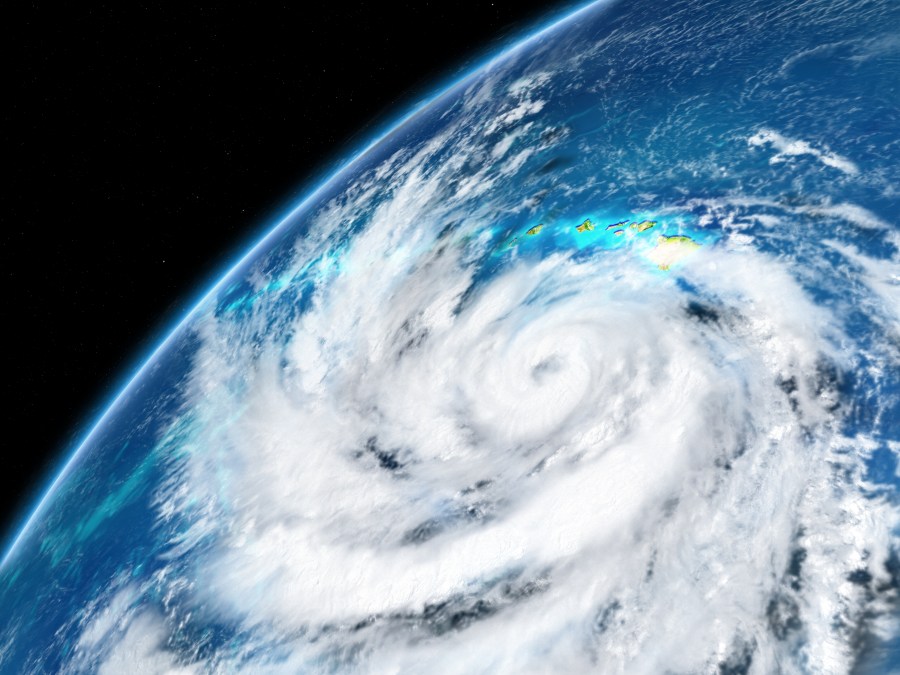
HONOLULU (KHON2) — Hurricane season in Hawaiʻi runs from June through November, but May 18 to May 24 is designated as Hurricane Preparedness Week.
This week is all about preparing yourself, your home and your family for the unpredictable and often devastating impacts of hurricanes.
The National Weather Service and the National Oceanic and Atmospheric Administration (NOAA) and local agencies are offering guidance throughout the week on different topics, each day focusing on a different aspect of preparedness.
Here’s what you need to know, broken down by day.
Sunday: Know your risks from water and wind
Before you can protect yourself and your loved ones, you need to know what risks you face. Hurricanes bring more than just heavy rain and strong winds. It’s important to understand the water and wind hazards that could affect your area.
In Hawaii, hurricanes can cause storm surges, flooding and even deadly rip currents far from the storm’s center. Even inland areas are vulnerable to flooding from heavy rains.
Assess whether you live in a flood-prone area, if your home is in an evacuation zone or if there are any structural risks like unsecured windows or doors that could fail in high winds.
You can click here to learn more about Sunday.
Monday: Prepare before hurricane season
The best time to get ready for a hurricane is before the season begins. Don’t wait until a storm is imminent. Start by gathering a disaster supply kit with enough food, water and medicine to last at least three days.
Include a flashlight, extra batteries, a battery-powered radio and a portable charger for your phone. Also, don’t forget to prepare for your pets. You can also integrate a HAM radio into your preparedness kit.
Additionally, ensure you have insurance coverage, including flood insurance, which requires a 30-day waiting period. Strengthen your home by installing storm shutters and trimming trees to prevent them from falling on your house.
The sooner you prepare, the safer you’ll be when a storm approaches.
You can click here to read more about Monday.
Tuesday: Understand forecast information
Hurricane forecasts are essential tools that can guide your actions when a storm is approaching. The National Hurricane Center provides critical information about a storm’s path, expected rainfall, wind speeds and more.
Be sure to rely on official sources like NOAA’s website and the Central Pacific Hurricane Center for the latest updates. Pay attention to emergency alerts on your phone and understand the difference between a “watch” and a “warning”.
A watch means conditions are possible, while a warning means they are expected. Additionally, stay aware of impacts that can occur well outside of the storm’s center. Dangerous conditions like flooding and high winds can affect areas hundreds of miles inland.
Click here to read more about Tuesday.
Wednesday: Get moving when a storm threatens
When a storm threatens, it’s time to take immediate action. Ideally, by this point, you should already have your disaster supplies, an evacuation plan and your home secured.
However, if a storm is on its way, it’s crucial to board up windows, move outdoor items inside and secure your exterior doors.
If you’re evacuating, make sure your vehicle is filled with gas and your phone is fully charged.
Ensure you know multiple sheltering options, including options outside of the hurricane’s impact zone.
If you have pets, confirm whether local shelters allow animals. Most importantly, follow evacuation orders without delay to avoid getting trapped.
Click here to read more about Wednesday.
Thursday: Stay protected during storms
If you find yourself in the path of a storm, your main goal is to stay safe. If you are sheltering in place, move to the safest part of your home. If the storm causes flooding, the highest, most secure place in your house is best. If the floodwaters reach the highest floor, get to the roof and call 911.
Similarly, when high winds hit, find an interior room without windows and stay there. If you are advised to evacuate, do so immediately, following all official instructions.
Be mindful of dangers like downed power lines, washed-out roads, and flying debris. Remember, the impacts from wind and water can be far-reaching, and even inland areas can be affected by flooding.
Click here to read more about Thursday.
Friday: Recover after a storm
Once the storm has passed, the recovery process begins. First, assess your situation and stay informed by listening to local authorities. Avoid walking through floodwater, as it can be contaminated with chemicals and debris.
Check for structural damage to your home before re-entering. If you have insurance, contact your company to report any damage. Begin the cleanup process once it’s safe to do so but be careful of electrical hazards, downed trees and unsafe roads.
Remember, recovery can take time, so work together with neighbors and local agencies to rebuild and restore normalcy.
Click here to read more about Friday.
Saturday: Help others and stay prepared for the future
Hurricane preparedness is not just about protecting yourself. Help your neighbors, especially those who are elderly or vulnerable. Share information, assist in evacuations if needed, and check on them after the storm. Additionally, learn from this storm to improve future preparedness. Share your experiences with others to help the community better prepare. Ensure that your emergency kit is stocked for the next season, and that your home is still ready to withstand another hurricane. Prepare to shelter, evacuate, and help those around you.
Click here to read more about Saturday.
Hurricane Preparedness Week offers vital information on how to protect yourself, your family and your home from hurricanes. The best way to stay safe is to prepare well in advance and stay informed throughout the season.
Hurricanes may seem distant until they are not. By understanding your risks, preparing early and knowing how to respond, you can greatly improve your chances of staying safe.
You can click here and here to read more from the National Weather Service. You can click here to access the homeowner’s guide from Sea Grant at the University of Hawaiʻi.
It’s crucial to be ready before the storm hits, not just to survive, but to recover and rebuild stronger in the aftermath. Stay safe, Hawaiʻi!