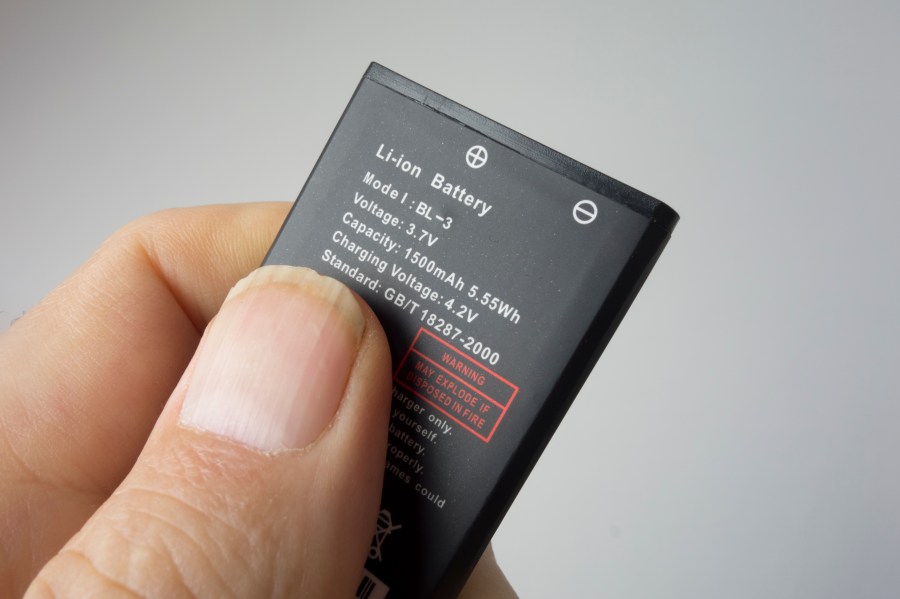
HONOLULU (KHON2) — With a recent fire in Ewa Beach residential building on Sunday, May 11, questions are arising on how to protect your home or business from fires that are caused by Lithium-ion batteries
Lithium-ion batteries power many of our daily devices, from smartphones and laptops to electric vehicles and power tools.
While these batteries are efficient and widely used, they can pose serious fire risks if not handled properly. Understanding how these fires start and how to prevent them is crucial for keeping your home and loved ones safe.
What are lithium-ion batteries?
Lithium-ion (Li-ion) batteries are rechargeable energy storage systems that power many of the devices and vehicles we use daily that range from smartphones, laptops and electric vehicles to grid-scale energy storage systems (ESS). They are prized for their light weight, high energy density, and rechargeability.
A lithium-ion battery consists of:
- Anode (negative): Typically graphite.
- Cathode (positive): Made from lithium metal oxides.
- Electrolyte: A flammable organic solvent that allows the movement of ions.
- Separator: Keeps the anode and cathode apart to avoid short-circuits.
When charged or discharged, lithium ions move between the anode and cathode through the electrolyte. Problems arise when the system is damaged, overheated or improperly manufactured. These instances create conditions ripe for fire.
How do lithium-ion battery fires start?
The most dangerous failure mode is thermal runaway. That’s when a chain reaction occurs where the battery cell overheats uncontrollably. This can happen when:
- The battery is overcharged.
- It’s punctured or crushed.
- There’s an internal short circuit.
- External temperatures are too high.
- Faulty charging occurs.
This heat builds up and can cause the electrolyte to ignite that leads to violent fires or even explosions.
Common fire triggers
- Manufacturing defects due to poor separators or contamination.
- Physical damage created by drops, crashes or punctures.
- Overcharging or wrong chargers.
- Battery aging or exposure to moisture.
- Storage of used batteries improperly.
- Non-certified products such as counterfeit e-scooters or hoverboards.
How to prevent lithium-ion battery fires
- Use certified products: Always buy UL-listed or certified devices and batteries. Avoid cheap knockoffs or unlisted imports.
- Charge safely: Use the charger that came with your device. Avoid charging overnight or unattended. Do not overcharge or leave devices plugged in after full charge.
- Store safely: Keep away from flammable materials. Store in cool, dry places. Do not keep damaged or swollen batteries indoors.
- Handle with care: Don’t puncture, crush, or expose batteries to water or extreme heat. Replace batteries if you notice swelling, odd smells, or overheating.
- Dispose properly: Never throw lithium-ion batteries in the trash. Take them to certified e-waste or hazardous materials recycling centers.
For businesses:
- Ensure charging areas are ventilated and compliant with fire codes.
- Use fire detection systems that can identify overheating batteries.
- Educate employees on signs of battery malfunction and response procedures.
- Separate used v. new batteries and store used ones outside or in fire-resistant containers.
- Install sprinklers and thermal detection in battery storage areas.
KHON2.com caught up with Hawaiʻi’s infamous Bill Ogawa, who we all know and love as Battery Bill. He has a unique way of protecting his home and businesses from battery-related fires.
“I have built an outside shed special for lithium batteries. It is wooden against a cement wall,” explained Battery Bill. “Any suspect lithium battery is put in the shed. If there is a fire, it will be contained outside and allowed to burn, but not harm any other structures.”
He went on to explain further.
“The fumes, which could be extremely harmful, will be allowed to escape; but people will not be harmed. And ignitable gasses will be able to vent outside,” he added. “This is obviously less dangerous for occupants as well as fire and police personnel.
You can click here to learn more from the Hawaii State Department of Health. You can click here to learn more about Battery Bill.
So, as you go through your days, be sure that you, your family and your employees understand the risks associated with these types of batteries and how to protect yourselves and your homes.