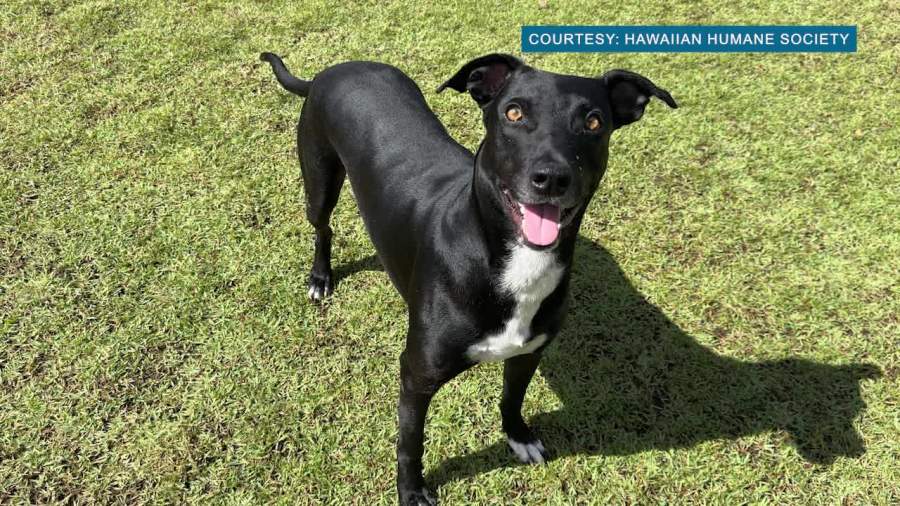
HONOLULU (KHON2) — Just like people, pets need exercise to stay happy and healthy. Exercise keeps their bodies strong, helps their hearts and can even improve their mood.
Whether you have a tiny dog, a big dog or a playful housecat, there are many ways to keep them active every day.
In this guide, you’ll learn:
- Why pets need exercise.
- Easy fitness routines for small dogs.
- Fun activities for big dogs.
- Smart and playful ways to help cats stay fit.
Let’s get moving!
Why do pets need exercise?
Pets need to move their bodies to stay healthy and happy. If they don’t get enough exercise, they might gain too much weight, feel bored, or even get sick. Just like people, pets need to stay active to feel their best.
When pets get regular exercise, it helps them keep a healthy weight and strong muscles. It also keeps their heart healthy and can help stop diseases like diabetes.
Exercise can help pets sleep better and feel less stressed. Plus, playing and moving around is a fun way for pets to bond with their owners. It’s good for their body and their heart.
Fitness routines for small dogs
Small dogs like Chihuahuas, Dachshunds, or Yorkies may be tiny, but they still need to move every day. Because of their size, they don’t need as much space or time as big dogs. But they still love to play!
1. Short walks (10–20 minutes)
Take your small dog on a walk around the block or inside a park. Avoid long walks if your dog is very young or old. Two or three short walks a day are usually better than one long one.
Tips:
- It’s important to let your dog sniff! It gives their brain exercise. too. So, the next time they stop to smell the concrete, let ’em.
- Use a harness instead of a collar to protect their neck.
2. Indoor fetch
If the weather is bad or you don’t have a yard, indoor fetch is a great game. Use a small soft ball or a favorite toy.
How to play:
- Toss the toy across a hallway or room.
- Encourage your dog to bring it back.
- Give a small treat or praise as a reward.
- Repeat.
3. Obstacle course fun
Big dogs like Labradors, German Shepherds or Huskies have more energy to burn. They usually need more time and space to get good exercise. A bored big dog might chew shoes or dig up the yard; so, it’s important to have regular activity that helps them stay calm and happy.
Turn your living room into a mini obstacle course.
Ideas:
- Use couch pillows as “mountains”.
- Lay out broomsticks or plastic hangers to jump over.
- Use laundry baskets or boxes as tunnels.
Make sure your dog doesn’t get hurt. Always watch and go slow the first time.
4. Training time
Training is exercise for the brain and body! Teach your dog:
- Sit.
- Stay.
- Spin.
- Paw.
- Jump over a small stick.
Keep training sessions short and fun. About 5 to 10 minutes at a time is best.
Fitness routines for big dogs
1. Daily walks or jogs (30–60 minutes)
Most large dogs need at least one long walk or jog each day.
Tips:
- Walk in the morning or evening to avoid hot pavement.
- Bring water and poop bags.
- Let them lead for part of the walk. It gives them confidence.
2. Backyard games
If you have a yard or a local dog park, use it for games like:
- Fetch (with a tennis ball or Frisbee).
- Tug-of-war (with a strong rope toy).
- Hide and seek (hide a toy or treat and let them find it).
Always make sure the fence is secure, so your dog doesn’t run off.
3. Swimming (if your dog likes water)
Many big dogs love to swim. It’s gentle on their joints and great for older dogs.
Where to swim:
- Dog-friendly beaches.
- Lakes.
- Some pet pools.
Dry them well afterward and never force a dog to swim if they seem scared.
4. Agility or obedience practice
Teach your big dog to run through tunnels, jump through hoops or weave around cones. This can be done in a yard, at a dog park or with classes. Even simple obedience practice like sit, stay and come builds focus and burns energy.
Fitness routines for housecats
Cats may seem lazy; but they need exercise, too! Most indoor cats sleep 12–16 hours a day. That means when they are awake, it’s important to get them moving.
Without exercise, cats can gain weight and develop health problems like diabetes, joint pain or boredom.
1. Wand toys
Wand toys are a great way to play with your cat. These are sticks with strings or feathers at the end.
How to play:
- Wiggle the toy like a bird or bug.
- Make it “hide” under blankets or behind furniture.
- Let your cat pounce, chase and catch it.
Try to play for 10–15 minutes, two or three times a day. Again, you may think your cat is lazy; but there is something out that that s/he would love to play. You just need to find out what it is.
2. Laser pointer
Cats love to chase small moving lights. A laser pointer gives them a fun chase without needing a lot of space.
Important:
- Never shine the light in your cat’s eyes.
- End the game by letting them “catch” a toy, so they feel proud.
3. Climbing and scratching
Cats love to climb, scratch, and perch high up.
Set up a cat gym:
- Use cat trees or shelves.
- Give them scratch posts.
- Put a cozy spot by a window.
This keeps their body moving and gives them a fun view of the outside.
4. Food puzzles
Make your cat work for food. Try puzzle feeders or hide treats around the house.
This gives both brain and body exercise, and it prevents boredom.
Make your own:
- Use toilet paper rolls with treats inside
- Hide dry food in paper bags or boxes
5. Chase games
Throw a small ball or toy mouse across the room. Some cats love to chase it like a dog would! Try different textures to see what your cat likes.
6. Use catnip to spark playtime
Catnip can be a powerful tool to encourage your cat to get moving. Many cats respond to catnip with bursts of playful energy. They roll, bat toys or chase imaginary prey. Try sprinkling a small amount of dried catnip on a favorite toy or use a catnip-stuffed mouse or kicker toy.
You can also buy catnip bubbles or sprays to liven up scratching posts and climbing towers. Keep in mind that not all cats respond to catnip; and for those who do, it’s best to use it a few times a week so it stays exciting.
Check out more news from around Hawaii
How much exercise do pets need?
KHON2.com made a handy chart for you. Every pet is different, but here are some general tips:
| Pet Type | Time Per Day | Type of Exercise |
|---|---|---|
| Small Dogs | 20–40 minutes | Walks, fetch, indoor play. |
| Large Dogs | 30–90 minutes | Walks, jogs, outdoor games, swimming. |
| Housecats | 20–30 minutes | Playtime, climbing, chasing toys. |
Split this time into shorter sessions if needed. A few 10-minute games can be just as good as one long one.
Watch for signs of tiredness
Pets can get too tired, just like people. Watch for:
- Heavy panting.
- Slowing down.
- Laying down mid-play.
- Limping or sore paws.
If that happens, let them rest and give water. Never force a pet to keep going if they’re tired.
Make it a daily habit
Exercise doesn’t have to be hard. The most important thing is to make it a daily habit. Try to set a regular time to play or walk each day, like after school or before dinner. Your pet will start to look forward to it; and you might, too!
Final tips
Exercise time needs to be fun for both you and your pet. Try using different toys or games to keep things interesting so your pet doesn’t get bored. Changing things up can help your pet stay excited and active.
Always make sure your pet is safe. Watch them closely, especially near roads or in new places.
Give small, healthy treats as rewards but don’t give one for every move. Save them for effort.
If your pet has health problems, talk to a vet before starting new routines. Most of all, enjoy the time together. Moving and playing helps both pets and people feel happy and healthy.
If you’re looking for a companion with whom you can get fit, the Hawaiian Human Society on Oʻahu has a program where you can volunteer to walk their dogs or become a foster home for them. You can click here to learn more.
If you’re on Hawaiʻi Island, then click here. For Maui, click here; and for Kauaʻi, click here.
Your pet loves spending time with you. With these fun fitness ideas, you’ll both feel healthier, stronger and more bonded than ever.