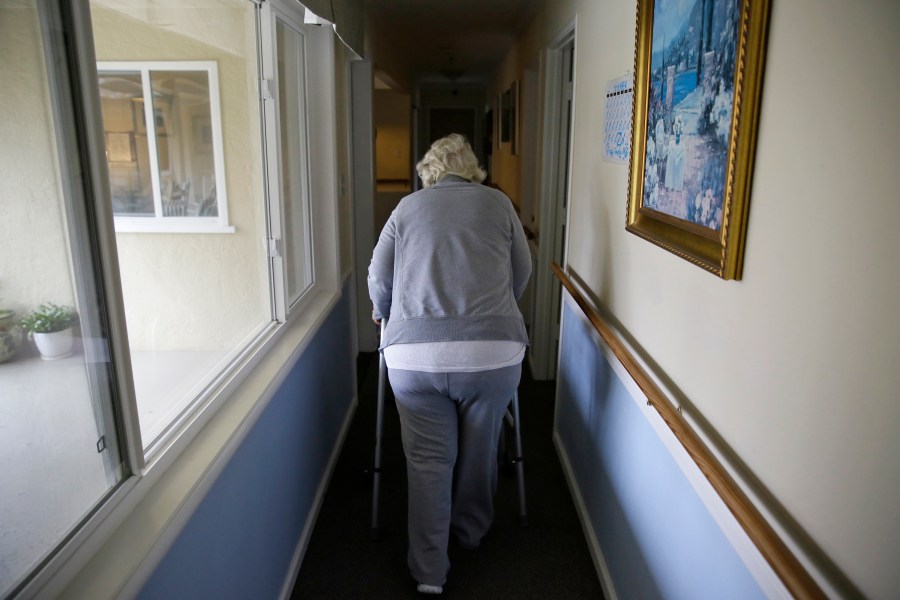
HONOLULU (KHON2) — Hawaiʻi is experiencing a significant demographic shift, with a rapidly growing population of older adults.
This change is placing considerable pressure on the state’s healthcare system, particularly in areas like elder care.
The combination of an aging population and a shortage of healthcare resources is creating challenges that need immediate attention.
A new study has found that Hawaii is not prepared for an increase in the amount of people over the age of 85.
Hawaiʻi ranks second in the nation
According to recent data, Hawaiʻi ranks second in the nation for the least prepared states to care for our aging population. This ranking is based on the number of nursing facilities available relative to the population over the age of 85.
In Hawaiʻi, there are only 43 nursing facilities serving a population greater than 85,000 individuals aged 85 and older. This results in a ratio of 958 people per facility.
This is significantly higher than the national average and indicates a potential strain on available resources.
Native Hawaiian perspectives on elder care
According to a University of Hawaii study, Native Hawaiian communities have unique perspectives on elder care that emphasize the importance of family involvement and cultural practices.
Many kūpuna (elders) and their families prefer to age in place in order to receive care within their homes and communities. This preference highlights the need for culturally competent care that respects and incorporates Native Hawaiian values and traditions.
9 takeaways from the report
- Hawaiʻi has the highest proportion of residents aged 85 and older in the U.S., with 2.95% of its population over 85.
- The population over 85 in Hawaiʻi increased by 100.23% between 2003 and 2023.
- Hawaiʻi is ranked #2 for the least prepared states to care for its aging population, with only 43 nursing facilities serving over 85,000 people aged 85 and older. The result is 958 people per nursing facility.
- Hawaiʻi has 100% of its nursing facilities with reported deficiencies, especially with infection control problems (83% of facilities affected).
- The state’s 85+ population is projected to increase by 79.60% by 2043. That means about 5.31% of the population will over the age of 85.
- Hawaiʻi’s high life expectancy is linked to factors such as healthy diets, strong community support and access to quality healthcare.
- The cost of living and shortage of long-term care facilities pose challenges for elderly residents who want to age in place.
- The shortage of nursing facilities has the potential to strain healthcare resources as the elderly population grows.
- Hawaiʻi is one of four places where all nursing facilities have reported deficiencies (along with Nevada, District of Columbia, and Wyoming).
Hawaiʻi’s aging population presents significant challenges to its healthcare system. According to the report, states dealing with large aging populations will have to address these issues as they require a multifaceted approach that includes expanding the healthcare workforce, integrating cultural practices into care and improving access to services.
You can click here to read the full report.
By taking these steps, Hawaiʻi can better meet the needs of its elderly residents and ensure that they receive the care and respect they deserve.