HONOLULU (KHON2) — After years of political back and forth, the pen finally hit the paper.
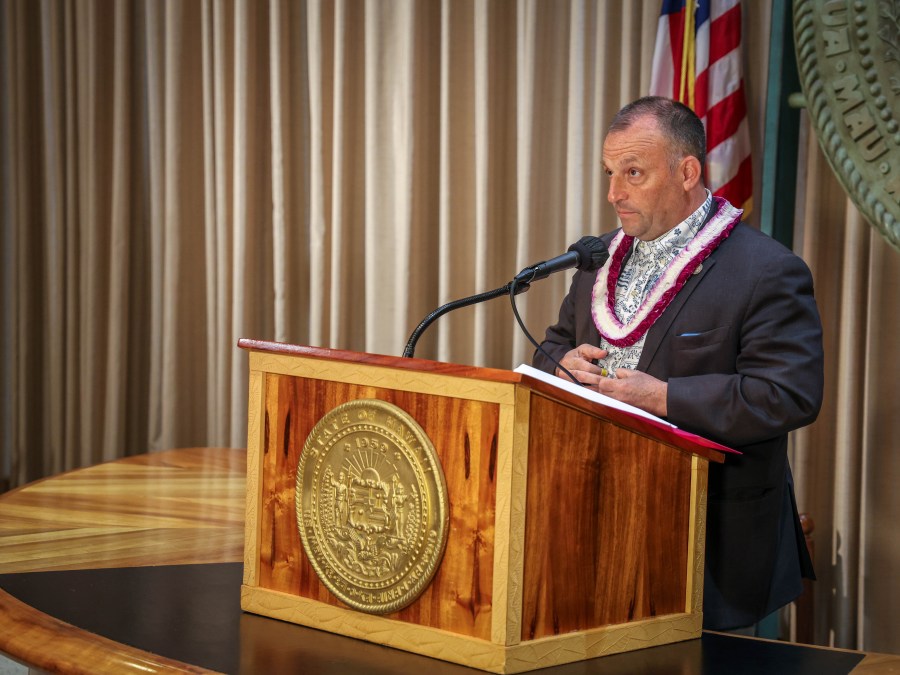
“I hope the world is watching because having something that is a balance between industry and environment is gonna be the way to go forward to protect our people, to protect our states protect your economy,” Gov. Josh Green said. “And most importantly, to protect the lifestyles and the lives we want our children to have for generations to come.”
Green today signed into law Senate Bill 1396, now Act 96. It’s the first of its kind in the nation and creates what’s being called a “Climate Impact Fee” also known as “The Green Fee.”
The .75% increase to the state’s Transient Accommodation Tax hikes the TAT to 11% for tourism-related activities including hotels and cruise ships. To break that down, for every $400 spent, $3 will go towards natural resource protection.
The bill is projected to raise an estimated $100 million a year to address what the state says is about half a billion dollars in critical funding needed to protect Hawaiʻi’s environment.
“The visitor industry will struggle if we do not take action now,” said State Rep. Adrian Tam, chair of the House Committee on Tourism.
Unlike other programs, the new funds won’t go into a dedicated special fund. Instead, the legislature will reevaluate priorities each year to decide where the money should go based on the greatest environmental need.
The areas of priority are protecting land and aquatic resources, climate and hazard resiliency and sustainable tourism.
The Grassroots Institute of Hawaiʻi, a longtime opponent of the bill, says it could end up hurting more than it helps.
“There’s nothing like a Hawaiʻi vacation and that is 100% true. But that doesn’t mean that it won’t affect visitor spending and the attractiveness of the Hawaiʻi as a destination,” said Malia Hill, policy director at the Grassroots Institute of Hawaiʻi.
They argue the fee won’t just fall on tourists, it will also impact local residents and small businesses.
Check out more news from around Hawaii
“We travel interisland, for work, to see family, to see friends. So it is a tax on locals, and you cannot get away from that,” Hill said.
Act 96 takes effect Jan. 1, 2026.