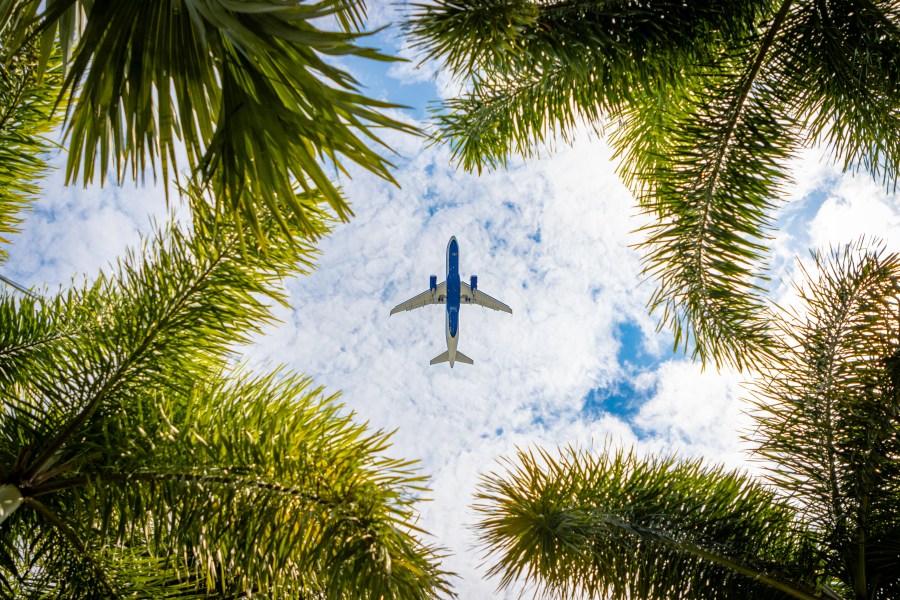
HONOLULU (KHON2) — Traveling to Hawaiʻi used to feel like the last escape from mainland rules, especially in the air. Free meals. Free luggage. No worries. But in 2025, those days are mostly gone.
Airlines are changing fast; and travelers who are heading to the islands are facing more fees, stricter policies and fine print that’s finally being enforced. Some rules are brand new. Others are old but ignored until now.
If you’re flying to Hawaiʻi this summer, don’t assume that what worked last year will work this time. Whether you’re carrying surfboards or flying Basic Economy, you’ll want to read every word of the fare details.
Here’s what you need to know before you board and what not to do after you land.
1. Be prepared for the death of free bags
For years, Southwest Airlines stood out as the last United States airline to offer two free checked bags. That changed on May 28.
Now, Southwest charges $35 for your first checked bag and $45 for the second. These fees apply to everyone except a few elite status holders and select fare classes.
Other airlines like Hawaiian, American and United have long charged for bags; but what’s new is how early and more consistently those fees are enforced.
On Hawaiian Airlines flights between North America and Hawaiʻi, your first checked bag costs $40. Inter-island flights cost slightly less with as $30 fee for the first and $40 for the second.
2. Expect strict no-show penalties
If you miss your flight without canceling in advance, most airlines will now cancel all of your reservations. That includes connecting and return legs.
Hawaiian Airlines, Alaska Airlines, and JetBlue enforce this policy, which often results in the loss of your fare or miles.
On Hawaiian Airlines, the rule is clear: “To retain the value of your ticket, notify the airline before the flight’s departure if you cannot travel.”
Don’t assume you can just skip a segment and show up later. You will lose the entire booking.
3. Standby rules vary widely
Not every airline treats a standby the same way.
On Southwest, same-day standby is now free and fare differences don’t apply. Just pay the government taxes or fees, and those get refunded if you don’t fly.
Delta, United and American offer same-day standby, too; but the process differs. For same day confirmed changes to your reservation, Delta charges $75 unless you’re elite.
American allows AAdvantage members to stand by for free. United lets all passengers join the standby list without paying, but a confirmed seat on another flight will cost extra.
4. Basic Economy is more restrictive than you think
Most travelers look at price first, but Basic Economy fares come with strings. On United, basic economy passengers are not allowed a full-sized carry-on. You are allowed a single personal item that can fit under the seat in front of your seat. If you do bring a carry-on, then you will be charged a gate check fee as well as a $25 gate handling charge.
American does not allow basic economy customers the option to choose their seats unless they pay a fee to do so. JetBlue does the same.
On transpacific flights, Hawaiian’s Main Cabin Basic fare includes meals and a carry-on, but you won’t get a seat assignment until check-in. And you can’t upgrade or make changes.
But if you’re traveling with family or want flexibility, then Basic Economy probably isn’t the deal you think it is.
5. Bag delays now come with rights
If your luggage is delayed for more than 12 hours on a domestic flight, the airline must refund your checked bag fee. This is a U.S. Department of Transportation (DOT) rule, not a favor. That means it’s required and not optional or delayable.
Also, you can get reimbursed for “reasonable, verifiable and actual” expenses you incur while waiting for your bags. Airlines can’t just give you a flat daily amount anymore. Save your receipts and make a claim. So, remember that airlines cannot impose arbitrary daily limits. The amount reimbursed should reflect the actual expenses incurred if they are supported by receipts.
These rules are mandatory and enforceable by law, and airlines are required to follow them. Refunds must be issued within seven days for credit card purchases and within 20 days for payments made by other methods.
You can click here for more information.
6. Family seating will soon be protected by law
The U.S. Department of Transportation (DOT) is in the process of finalizing a rule that would prohibit airlines from charging extra fees for seating children under 13 next to a parent or accompanying adult.
Once finalized, this rule would apply regardless of the fare type purchased. Until then, if you experience issues or extra charges related to family seating, you have the right to contact the airline or the DOT to seek assistance.
7. Watch out for new baggage pricing tactics
JetBlue now uses demand-based pricing for checked baggage. That means your bag might cost more during peak travel periods. You won’t see this price until checkout; so, don’t be surprised if it’s more than last time.
Other airlines may follow if this pricing model proves profitable. Always check bag fees at the time of booking, not weeks later.
8. Don’t assume your surfboard flies free
The good news is that surfboards, golf clubs and bicycles are now treated like standard checked bags on Hawaiian Airlines with certain caveats.
This only applies if the equipment meets size and weight limits. Oversized or overweight items still trigger extra fees.
9. Be early or be left behind
Hawaiian Airlines requires passengers to check in at least 30 minutes before inter-island flights and 45 minutes before mainland departures.
More importantly, if you show up late to the gate, even by minutes, then your seat can be reassigned. Doors close 10 minutes before takeoff. So, don’t dawdle.
United Airlines, beginning June 3, will require all domestic passengers to check in for flights at least 45 minutes before departure.
United has indicated that domestic travelers who fail to check in on time may be denied checked bags optioma or may be forced to miss their flights altogether.
10. Free meals are not on every flight
On Hawaiian Airlines, you’ll get a complimentary meal and beverage on transpacific flights. But on inter-island routes, there’s no food service. Don’t board expecting snacks.
Other airlines vary. American and Delta offer free snacks and drinks, but meals may not be included unless you’re flying longer routes.
JetBlue provides nut-free snacks, but meals are extra unless you fly Mint.
So, be sure to grab food at the airport to take on the flight or pack your meals from home if you don’t want to pay for airline quality meals and snacks.
11. Understand entertainment access before you go
Most major airlines now offer free entertainment, but how you access it can differ. Hawaiian recently added free Wi-Fi via Starlink on select aircraft, which is fast and reliable. JetBlue has free live TV. Southwest offers streaming, but you must use your own device.
Always bring headphones and a charged device. Don’t assume every screen or port will work.
12. Checklist for flying to Hawaiʻi in 2025
- Check baggage fees before booking: These now change by date, fare class, and demand—especially on JetBlue and Southwest.
- Avoid Basic Economy unless you’re flying solo and light: The restrictions are not worth the savings for most travelers.
- Call if you can’t make your flight: A no-show could erase your entire trip and cost you hundreds.
- Know your standby rights: Rules are airline specific. What’s free on one may cost $75 on another.
- Expect stricter boarding and check-in deadlines: Showing up late may void your ticket, no refunds.
- Save receipts if your bag is delayed: You have the right to compensation beyond just a refund of fees.
- Book seats early if traveling with kids: You can’t be charged to sit together, but don’t wait until the last minute.
- Don’t assume sports gear is exempt from fees: Know the size and weight limits. Fees still apply if you exceed them.
- Bring your own entertainment gear: Not all planes have screens or free charging.
- Always double check airline websites: Fee schedules change fast. What was true in April may not be true today.
For Hawaiian Airlines, click here and here. For Alaska Airlines, click here and here.
For Delta Airlines, click here and here. For American Airlines, click here and here. For United Airlines, click here and here.
For JetBlue, click here and here. For Southwest Airlines, click here and here.
Flying to Hawaiʻi is still special, but it’s not exempt from the broader shifts happening across air travel. Know the rules, read the fine print and don’t get caught paying for something that used to be free.