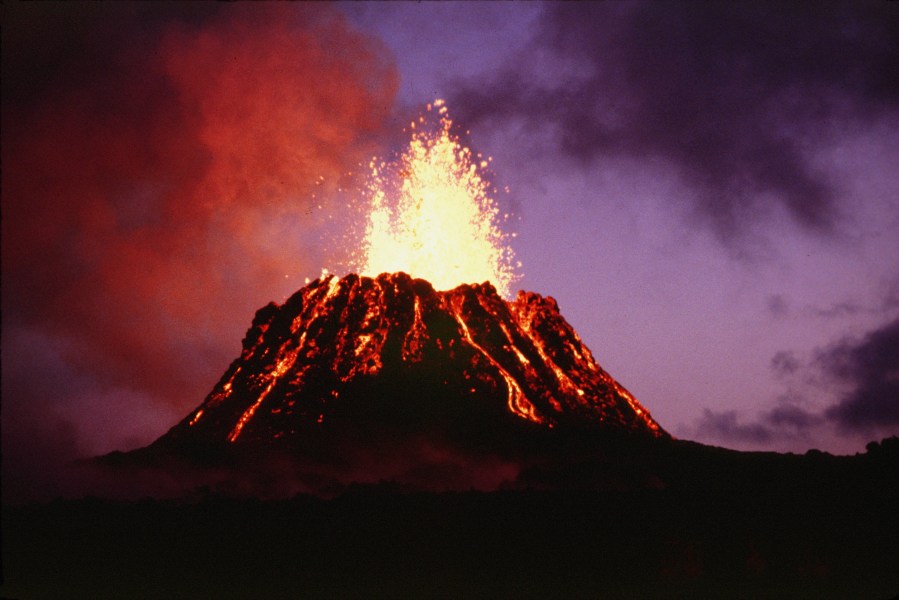
HONOLULU (KHON2) — Some sunsets are quiet. Some roar. On Hawaiʻi Island, at the rim of Kīlauea Crater, the sky does both.
The light stretches across lava fields, filters through volcanic mist and melts into deep red behind jagged cliffs. According to a new report, Kīlauea ranks as the third-best place in the entire United States to watch the sun go down.
The report analyzed more than 200 locations across the U.S., using air quality, search trends and social media interest to score each sunset destination. Kīlauea stands out not just for its volcanic views, but for how few people have yet discovered it.
With fewer than 1,000 monthly search queries and no sunset-related hashtags on Instagram, Kīlauea remains a quiet treasure.
The crater’s clean air, with a PM 2.5 rating of 1.63 and a high air quality index of 9.00, means the skies here are clearer than most. The best months to see the sky at its most vivid are from April through September.
Kīlauea is one of the most active volcanoes on earth. The crater sits within Hawaiʻi Volcanoes National Park, where past eruptions have reshaped the landscape and the stories told across generations.
While watching the sunset, visitors are standing on ground that has flowed, cracked and opened more times than can be counted. The area holds deep meaning, both geologically for scientists and culturally and historically for Native Hawaiian.
Keep in mind that Kīlauea is not a typical lookout. Paths and overlooks can shift due to volcanic activity. Park alerts may affect access, and the weather can change fast.
You can click here and here to learn more about Kīlauea.
Stay alert and check official guidance before heading out. Do not enter closed areas. Stay on trails and remember that lava rock can be sharp and unstable.