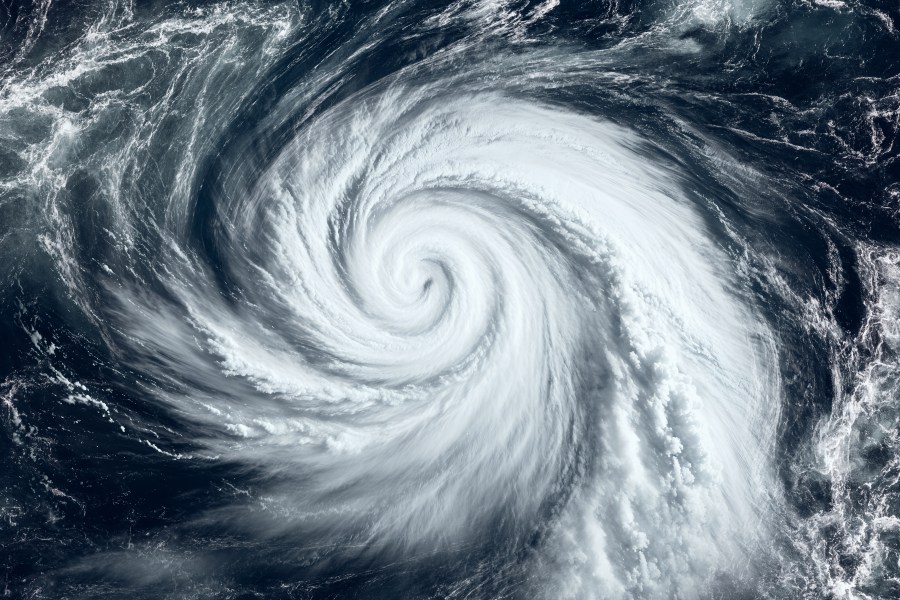
HONOLULU (KHON2) — In Hawaiʻi, hurricane season runs from June through November. So, getting yourself, your home, and your family ready for hurricanes is a necessary step as we enter the summer months.
Hurricanes can be dangerous and hard to predict; so, it’s important to be prepared.
The National Weather Service, NOAA (National Oceanic and Atmospheric Administration), and local agencies have tips to help you get ready.
Here’s what you should know to prepare for summer and autumn storms.
1. Know your risks from water and wind
Before you can stay safe, you need to understand the dangers. Hurricanes can bring more than just strong winds and heavy rain.
In Hawaiʻi, hurricanes can cause:
- Storm surges are when ocean waters are pushed onto land.
- Flooding occurs across the islands with often water covering roads and homes.
- Rip currents become much more dangerous as water movement near beaches increases.
These things can happen even if the storm is far away. Flooding can also happen in areas that aren’t close to the ocean.
Find out if:
- You live in a flood zone.
- Your home is in an evacuation area.
- Your house has weak spots, like loose windows or doors.
2. Hurricane season is here; it’s time to be prepared
Don’t wait until a storm is close. Start preparing early by making a disaster supply kit that contains enough food, water, medications and supplies for at least three days.
Your checklist can contain
- Non-perishable foods.
- Bottled water.
- Medications.
- Flashlights and extra batteries.
- Battery-powered radio and/or a HAM radio.
- Phone chargers.
- Food, water, treats and toys for your pets.
- Any insurance/coverage paperwork.
A HAM radio is a great way to get updates if other communication fails. You can click here for more details on accessing these types of radios and how to use them.
Also, make sure your insurance is up to date. If you need flood insurance, get it early since it tends to take 30 days to activate. Check with local insurers for more specific information.
Also:
- Install storm shutters.
- Trim trees near your home.
The earlier you prepare, the safer you and your family will be.
3. Understand hurricane forecasts
Weather forecasts help you know what a storm will do. The National Hurricane Center gives important updates about:
- The storm’s path.
- Wind speeds.
- Rainfall.
Always check official websites like NOAA or the Central Pacific Hurricane Center and pay attention to emergency alerts on your phone. Know the difference between:
- A Watch, which is a storm that might happen.
- A Warning is when a storm will happen soon.
Remember: Dangerous weather can happen far from the storm’s center, even hundreds of miles away.
4. Take action when a storm is coming
When a storm is on the way, act fast. By the time a storm nears our part of the world, you should already have:
- Supplies ready.
- An evacuation plan.
- Your home protected.
Things to do once you receive the warning notification:
- Board up windows.
- Bring in outdoor items.
- Secure doors.
If you’re leaving town for better shelter, or other reasons, then ensure these are done:
- Fill your car with gas.
- Charge your phone.
- Know more than one place to go for shelter, especially outside the storm area.
- Check if shelters allow pets.
Listen to evacuation orders right away to avoid getting stuck.
5. Stay safe during the storm
If the storm hits your area, your goal is to keep yourself, your family and your home safe. If you’re staying home, then the following could save a life:
- Go to the safest part of your house.
- If there’s flooding, move to the highest safe area.
- If water reaches the top floor, go to the roof and call 911.
If there are high winds, then stay in a room with no windows If you’re told to evacuate, then do it right away and follow all instructions.
Be sure to watch out for:
- Fallen power lines.
- Broken roads.
- Flying debris.
Remember that even places far from the ocean can still get flooded.
6. Recovery after the storm
When the storm is over, it’s time to recover. There are a few things you can do to figure out what’s happening and what to do next.
First:
- Listen to news from local officials.
- Don’t walk in floodwater. It can be dangerous with contamination, dangerous debris or charged electrical lines.
Before you go back inside your home:
- Check for damage.
- Be careful of electric wires, fallen trees and unsafe roads.
Call your insurance company if your home has damage and only clean up only when it’s safe. Recovery takes time, so help each other out and be patient.
7. Help others and plan for the future
Being prepared isn’t just for you. It’s also about helping your neighbors, especially our kūpuna or those who need help.
You can:
- Share information with neighbors or other you encounter.
- Help with evacuations when you can.
- Check on people after the storm to be sure your friends and extended family are safe.
Also, learn from the storm, so you are better prepared next time. Make sure your emergency kit is full, your house is strong and you know your plan.
Hurricanes can come fast. That means it’s incredibly important to be ready before one hits. This is the best way to survive and recover faster afterward.
To learn more, check here for the National Weather Service and here for the Sea Grant homeowner’s guide from the University of Hawaiʻi.
You can click here for NOAA and here for Central Pacific Hurricane Center.
Stay safe and stay prepared, Hawaiʻi!