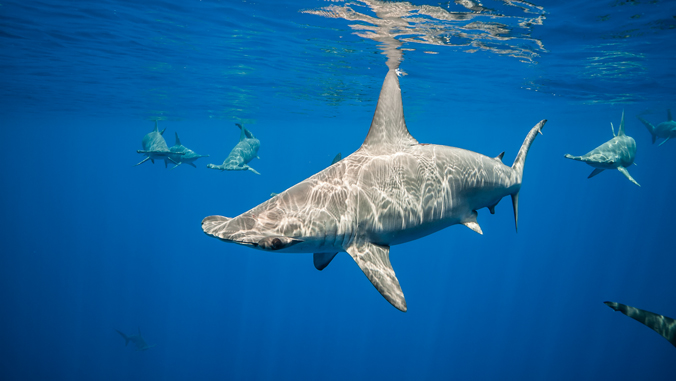
HONOLULU (KHON2) — The ocean is home to many animals. Some are big, some are small and some make people nervous. Sharks, in particular, are creatures that many humans have an instinctive fear of.
Sharks are marine animals that are millions of years old and have inhabited waters around the globe. But today, because of movies and stories, fear of them has become much more universally recognized.
But the truth is, sharks are not hunting people. They are living their lives while looking for food they can consume. You being in the water is not necessarily something that is going to attract their attention; however, there are reasons we do pique their interests.
Once you enter the ocean, you are in shark habitat. Sharks belong there. They are a part of the natural system. There is no way to fully avoid them unless you stay out of the water altogether. Still, you can stay safe and know how to act.
And seeing a shark in the wild can be scary, especially if you’re not used to the ocean. But sharks are not out to get you. In fact, most of the time, they are just going about their business.
Still, knowing what to do when you see a shark is important. It can mean the difference between a safe memory and a dangerous mistake. It also shows respect for the ocean and for the life that calls it home.
There is the prevailing fear that a shark is circling, and it’s out to get you. But that’s simply not the case. Yes, they’re curious animals. You’re in their home. They don’t necessarily want you there, but they’re not going to attack unless they’re provoked or mistakenly identify you as a food source.
KHON2.com did a bit of digging to find things you need to remember if you ever come face to face with a shark or want to avoid getting close to one in the first place.
1. Stay calm
This is the most important thing. If you panic, splash or thrash around, a shark might think you are an injured animal. That makes you look like food. Sharks use body movements to help them decide what to check out. If you stay calm, you look strong and less interesting to them.
Sharks are hunters. Like many hunters, they like to watch their prey and sneak up on them. If you can see the shark and you stay alert, it may lose interest since it cannot use its predatory maneuvers. Sharks often check things out before leaving.
2. Be ready to defend yourself, even if you’re bitten
Sharks do not want to eat people; but if one charges at you, you may have to fight. The shark’s nose, eyes and gills are its weak spots. A quick jab or hit to one of those spots might help you escape.
This is only a last resort and is not advised unless there are simply no other options. Most sharks do not attack. But you must be ready if they do.
If a shark bites you, keep fighting. Use your hands, feet or anything you have. Go for the eyes, nose or gills. These areas are very sensitive. Even if the shark bites once, it might let go if it feels pain or surprise. You must act fast.
3. When, where to avoid water activity
This is when sharks feed. Light is low and fish are active. These are times sharks hunt; so, it is smart to stay out of the water then.
Fishing brings blood, bait and struggling fish into the water. These signs attract sharks. If you swim near people who are fishing, you may be near a shark, too. So, it’s important that you choose a spot farther away.
Sharks like to eat fish, sea turtles and marine mammals like seals or sea lions. If you see a lot of them in the water, that means sharks may be nearby. Avoid those areas.
4. Swimming can be fun, if you keep this in mind
When water is cloudy, sharks have a harder time seeing clearly. That also means they can mistake a person for food. If you cannot see well in the water, neither can they. It is advisable to save your swim for another time.
Sharks are more likely to check out a person who is swimming alone. If you stay with others, then the chance of being singled out is lower. Stick together.
Jewelry and shiny swimwear can reflect light. Sharks may think the flash is from fish scales. That means it’s advisable to avoid anything that glitters.
Seals are on the menu for larger sharks. Black wetsuits can make you look like a seal from below. Try a pattern or color that breaks up your shape.
5. Know the signs of sharks in the area
The clearest sign that a shark is in the water near/around you is the dorsal fin sticking out of the water’s surface. Remember that a shark’s fin is straight, but a dolphin’s fin is curved. If you see many fish jumping or acting frantic, it could mean a shark is hunting. Stay out of the water if you see this.
Some sharks, like bull sharks, swim in very shallow water. This means they can come close to shore. Most shark bites happen near beaches, not because sharks prefer it there, but because that is where much of their prey can be. So, keep in mind that being in shallow water does not mean you are safe from sharks.
6. Sharks do not want to eat you
Sharks usually bite humans by mistake. From below, a person on a board or swimming can look like a seal or a fish. Once the shark bites, it often realizes its mistake and leaves. But one bite can still cause serious harm and even death.
7. Why sharks matter
Sharks are an important component of oceans’ ecosystems by helping to keep the ocean healthy. They eat sick or weak animals and help balance fish populations. When we enter the ocean, we enter their world. Respect the ocean and its creatures. Being prepared is not just about fear. It is about respect and awareness.
Sharks are not monsters. They are animals with instincts. Attacks on humans are rare, and deaths from shark attacks are even more rare. You are more likely to be struck by lightning than bitten by a shark.
You can learn more about sharks and their lives from Samantha Smith, a wildlife biologist by clicking here.
When you swim in the ocean, stay smart and alert. Follow safety tips. Keep calm. Know what to do. And remember: the ocean is a wild place, and we are the visitors.