HONOLULU (KHON2) — In the 2025 American Society of Civil Engineers report card, the United States was given an overall C grade on its national infrastructure. That’s up from a C- in 2021. It’s the first time in more than 20 years the U.S. has seen a bump in its overall grade. But for Hawai‘i, the story remains the same.
Hawaiʻi’s last official infrastructure report card came out in 2019. The report card gave Hawai‘i an overall grade of D+, and that grade still stands.
Here’s what else we found in the report card.
Aging systems across the islands
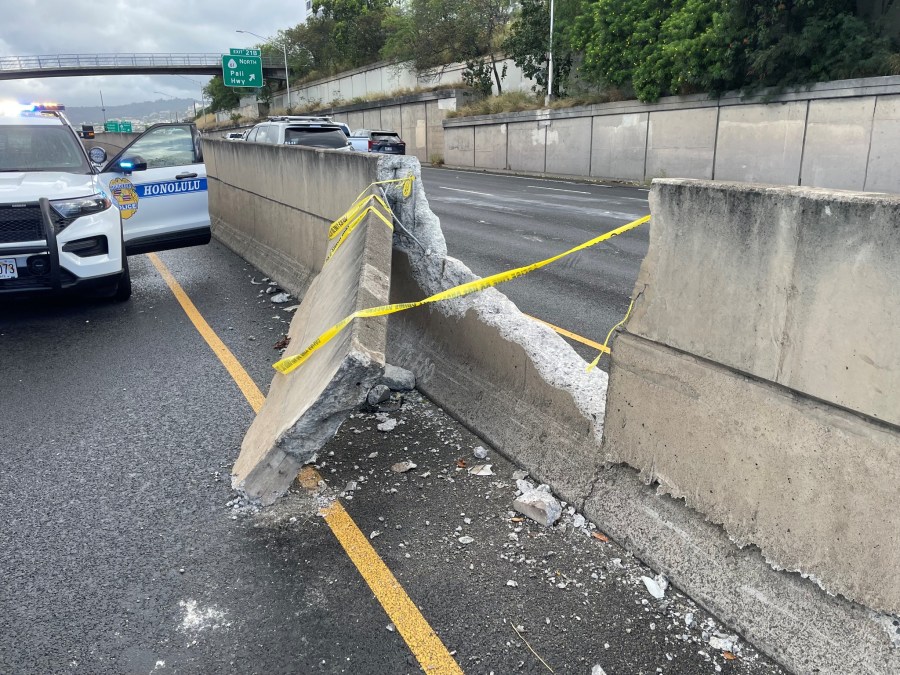
Much of Hawai‘i’s infrastructure was built between 60 and 100 years ago. That includes roads, dams, water systems and school buildings. These systems were not designed to last this long; so much of our infrastructure are now stretched beyond capacity, according to the report card.
In 2019, nearly 7% of Hawai‘i’s bridges were found to be structurally deficient. Most are about 60 years old, and the marine environment significantly raises the cost of upkeep and replacement.
There are 132 state-regulated dams across the islands. About 93% of them are labeled high-hazard potential. Many are privately owned and lack current emergency action plans.
Drinking water systems received a D+ in 2019. Some of the main pipes and wells date back to the 1920s. Underinvestment continues to threaten reliability.
Stormwater and wastewater systems face ongoing problems. Overflow, pollution and capacity failures are increasing as more land is developed, said the report card.
Climate impacts raise the stakes
Sea-level rise is expected to reach 3.2 feet by the year 2100. As the ocean climbs higher, coastal erosion and flooding are becoming more common. These changes are already affecting roads, airport runways and wastewater systems. Hawai‘i’s beaches are also slowly washing away.
Stronger storms add more stress to aging infrastructure. Airports, bridges and roads face growing pressure during extreme weather events.
Education and traffic under strain
Public school buildings in Hawai‘i are, on average, 62 years old. Many face major capacity constraints and need significant repairs. Aging facilities are making it harder to meet the needs of students and teachers across the state.
Traffic congestion on Oʻahu ranks amongst the worst in the country. With limited road capacity and growing demand, daily commutes remain a major challenge for residents.
National change, local stagnation
The 2025 report gave better grades to eight of 18 categories nationwide. Only two categories — energy and rail — were downgraded. Nine still fall in the D range. Ports received the highest mark with a B. Stormwater and transit remained at D.
But Hawai‘i has not had a state-level update since 2019. That means no new grade. No new data. No sign of progress, according to the report.
“Aging infrastructure in Hawai‘i is being used beyond its intended lifespan,” the report read. “Limited funding for repairs and replacements has accelerated wear and tear.”
Federal money, like the Infrastructure Investment and Jobs Act, has helped some states improve.
You can access the report by clicking here.
Hawai‘i’s future grade depends on whether those dollars are used to address its aging systems and rising risks. As of now, its D+ still speaks for itself.