HONOLULU (KHON2) — The Hawaiʻi Department of Health confirmed a new travel-related case of dengue virus on Oʻahu, marking the second find in the total number of dengue cases in the state this year.
The infected individual was exposed to the virus while traveling to an area where dengue is common. Several regions across the world are currently experiencing higher-than-usual dengue activity.
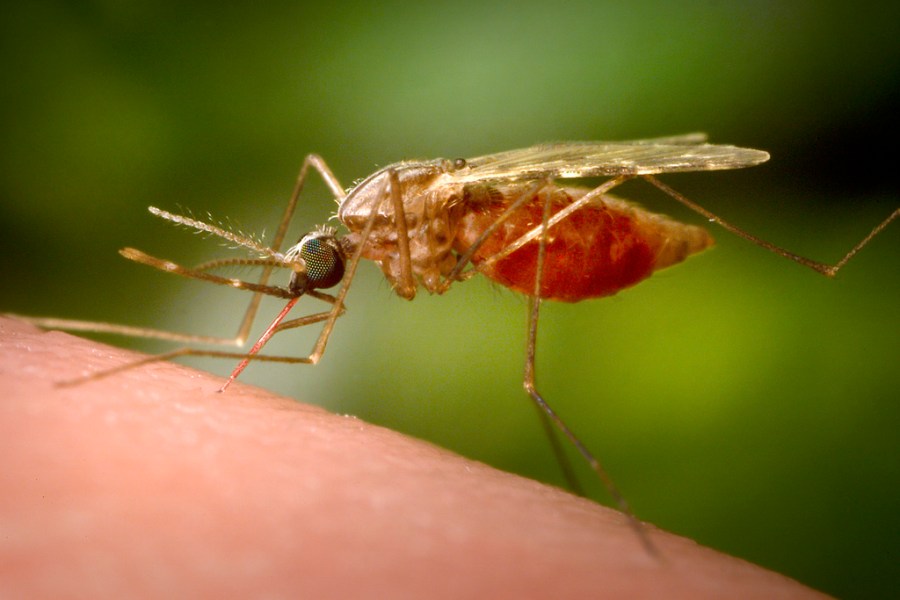
Dengue is transmitted from an infected person to a mosquito, who is then able to transmit the virus to another person. Mosquitos that can carry dengue do call the islands their home, but the disease is not established in the state, as the only people infected with the virus are those who have traveled.
Outbreaks of the virus occur worldwide, including Central and South America, Asia, the Middle East, Africa and several Pacific Islands, such as American Samoa, the Federated States of Micronesia, the Republic of the Marshall Islands and the Republic of Palau.
Popular tourist destinations such as the Caribbean are also impacted by dengue.
In 2024, Hawaiʻi saw 16 cases of dengue from travelers who visited the following locations prior to their symptoms starting: Brazil, Argentina, El Salvador, Costa Rica, Guatemala, Mexico, Puerto Rico, Indonesia, Honduras, Thailand, Japan, India and the Philippines. All of these areas are locations where dengue is established.
Anybody who plans to travel or has recently traveled to an area with dengue risks is vulnerable to infection. The CDC advises travelers to take precautions when visiting at-risk areas such as the following:
- Using an EPA-registered insect repellent
- Wearing long-sleeved shirts and long pants while outdoors
- Sleeping in air-conditioned rooms, rooms with window screens or under insecticide-treated bed nets
- Research dengue cases and updates in your destination
After returning from dengue areas, travelers should prevent mosquito bites for three weeks. If symptoms develop within two weeks of return, seek medical attention.
Symptoms of dengue can range from mild to severe, and include: fever, nausea, vomiting, rash and body aches, usually lasting two to seven days. Most people recover within a week, but severe illness can occur.
DOH teams have been deployed to issue mosquito control measures in the affected area and do inspections.