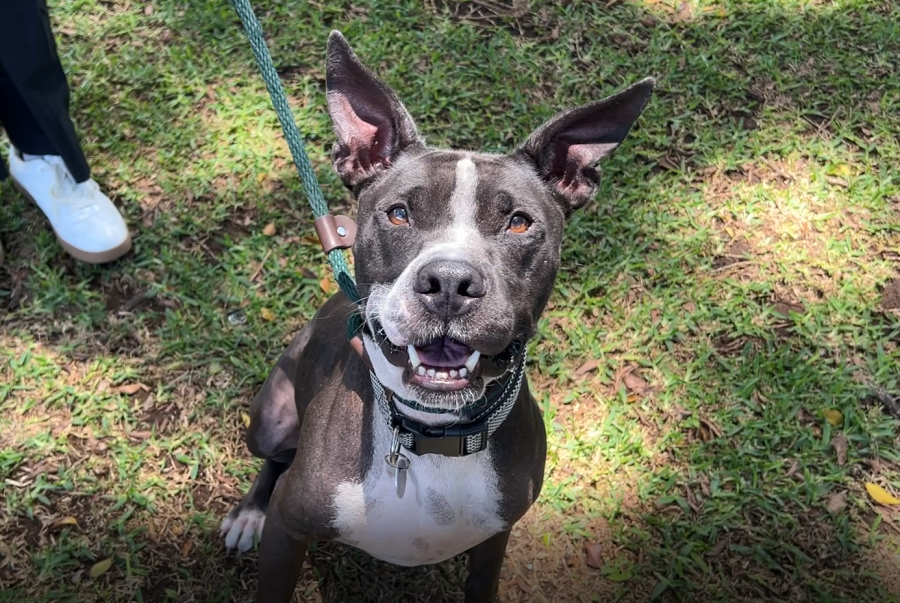
HONOLULU (KHON2) — In Hawaiʻi, the Hawaiian Humane Society has observed a concerning trend in pet surrenders.
We spoke to Brandy Shimabukuro, the communications director for HHS. She reported that from July 2024 through May 2025, certain dog breeds and mixes have been surrendered more frequently than others.
Understanding these patterns can help prospective pet owners make informed decisions and contribute to addressing the shelter capacity crisis.
Top breeds surrendered in Hawaiʻi
According to Shimabukuro, the five most commonly surrendered dog breeds or mixes at their Oʻahu campuses are:
- Terriers make up 32.9% of surrendered breeds.
- Chihuahua short coat constitutes 10.9%.
- Pit bull terriers make up 8.7%.
- American pit bull terriers make up 6.5%.
- Small mixed breeds under 24 pounds constitute 4.7%.
Collectively, terrier-type breeds account for a significant portion of the intake at 50.1%. Additionally, various mixed breed categories by size represent 11.0% of dog surrenders.
Terriers dominate surrenders
Shimabukuro explained, “We see a lot of, for lack of another term, terrier mixes.” This means one out of every three dogs dropped off at HHS shelters is a terrier or a mix of one.
These numbers come directly from pet owners.
“We’re relying on information that they give to us,” she said. “So, the numbers that I pulled, and the statistics that I pull, the percentages that I shared with you, are numbers that were relayed to us from owners or guardians who had to surrender them into our care.”
It’s not just one kind of terrier, either.
“Terriers and the label terrier are really diverse. You could think of it as like the umbrella term for a whole host of different breeds,” explained Shimabukuro. “That could be rat terriers. Fox terriers, Jack Russell terriers. It could be Staffordshire terriers, American pit bull terrier mixes.”
Altogether, terrier-type breeds make up to a little more than 50% of all dog surrenders at the Oʻahu campuses.
Reasons for surrender
The primary reasons for pet surrenders in Hawaiʻi include:
- Lack of affordable pet-friendly housing: Many families are unable to find housing that allows pets, leading to difficult decisions.
- Financial hardship: Economic challenges make it difficult for some owners to care for their pets.
- Relocation: Some families are leaving Hawaiʻi and cannot take their pets with them.
These factors contribute to the high number of surrenders and the ongoing shelter capacity crisis.
Know what your dog needs before you bring one home
Many dogs, especially terriers and pit bulls, need more than just food and shelter. They need training, attention and exercise.
“If you know that you’re getting a breed that is a working breed that is used to having a job, is highly intelligent and very active, you’re going to have to provide a level of exercise and enrichment that is unique to them,” advised Shimabukuro. “A dog that is not having their needs met, and I mean physically and mentally, is a dog that’s ultimately going to start to have behavioral issues.”
These behaviors can lead to even more surrenders.
Think about your lifestyle before choosing a pet
People often choose a dog based on how it looks. But that can lead to trouble later on.
“What I’m really hoping people take away from this article is maybe think about what’s best for your lifestyle, your home and your living situation,” said Shimabukuro.
Choosing the right dog means thinking about what kind of life you live and whether you have the time and energy to care for a pet properly.
Breed-specific challenges
Certain breeds may face challenges that make them more likely to be surrendered:
- Terriers: Known for their high energy and strong prey drive, terriers require constant training and stimulation.
- Chihuahuas: Despite their small size, Chihuahuas can be assertive and may require experienced handling.
- Pit bull terriers: Often subject to breed-specific legislation and public misconceptions, this breed leads to potential challenges in rehoming.
Understanding these breed-specific needs can help potential owners assess compatibility with their lifestyle.
Top things to know before adopting a dog in Hawaiʻi
1. Don’t choose a dog just because it’s cute: A terrier puppy might look adorable; but looks don’t tell you anything about energy, behavior or needs. Know the breed’s history and whether you can handle it.
2. Do research on dog breeds before you adopt: Learn about the breed’s personality, activity level, intelligence and common behavior issues.
“While I don’t believe in breed stereotypes, I advocate very strongly against breed stereotypes,” Shimabukuro said. “I do, however, believe in responsible pet ownership and understanding the role that genetics play with that pet in your home.”
3. Make sure your housing allows pets: This is the number one reason people surrender their animals in Hawaiʻi. If you rent, double-check your lease and talk to your landlord.
4. Be realistic about your time and energy: Dogs need daily exercise and mental activity. This is even more important for high-energy breeds. If your life is too busy to give that, you may need to reconsider getting a dog.
5. Plan for the long-term: Dogs live for many years. Moving, having kids or changing jobs are all common life changes that can affect your ability to care for a pet. Think ahead.
6. Understand that giving up a dog is hard for everyone: Most people who surrender a dog don’t want to. It’s a painful choice.
“Obviously, we’re relying on owners,” said Shimabukuro. “If they have to make the difficult decision to surrender their pets to us.”
Understanding the weight of that decision can lead to more compassion—and fewer surrenders in the future.
You can click here to learn more.
The Hawaiian Humane Society continues to advocate for responsible pet ownership and encourages prospective pet owners to consider factors beyond appearance when choosing a breed.
Ensuring compatibility with one’s lifestyle and living situation is crucial for a successful and lasting pet-owner relationship.