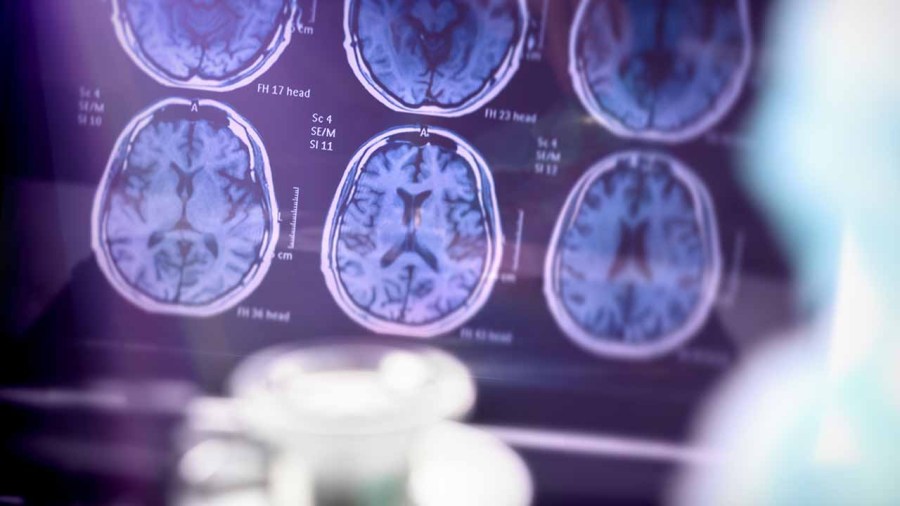
HONOLULU (KHON2) — The month of June marks Alzheimer’s and Brain Awareness Month, a time to consider the importance of improving brain health and recognizing various forms of dementia.
Most people are concerned about memory loss, the first thing that comes to mind is Alzheimer’s Disease.
“But there are other conditions that can cause memory problems. For example, if somebody has trouble sleeping, that would impair their cognitive functioning. So, sleep conditions like sleep apnea can commonly present as a concern for Alzheimer’s Disease, but it’s actually a sleep issue that’s treatable,” said Dr. Abraham Chyung, a neurologist at The Queen’s Health Systems.
“Along those lines, things like vision loss and hearing impairment can be mistaken for memory impairment. So, identifying those things and treating it can be helpful as well.”
Very common mood issues, such as anxiety and depression, can also cause memory loss.
“There are many different things that can cause memory problems that can mimic Alzheimer’s Disease, and appropriately identifying, diagnosing and treating those conditions can really help,” said Dr. Chyung.
For people who are concerned about memory impairment in the future, there are certain medical conditions to look out for.
“Diabetes, high blood pressure, cholesterol problems. Those things are already recognized as risk factors for concerning medical issues like heart attacks and strokes. We are now recognizing that they actually increase the risk for getting dementia like Alzheimer’s Disease as well,” according to Dr. Chyung.
So, staying on top of those medical problems is extremely helpful.
“The brain is part of the body. So, if there are other medical issues involving the heart, the liver, kidneys and other organ systems, those issues can contribute to memory decline as well,” Chyung said.
It’s important to be proactive and improve your brain health. Dr. Chyung said there are things that we can do earlier in life that will protect us from dementia down the line.
“For example, do mentally stimulating things. Stay in school, get educated. Learn new skills like a new language or playing a musical instrument. Doing those things builds up cognitive reserves that can be protective against getting dementia later,” said Dr. Chyung. “Also, stay healthy, a healthy diet, exercising on a regular basis can be very helpful too. And do not underestimate how much stress can affect people. Trying to live a life while keeping the stress level down is very important.”
Check out more news from around Hawaii
To learn more about the services provided by the Queen’s Neuroscience Institute, visit www.queens.org or call 808-691-8866.