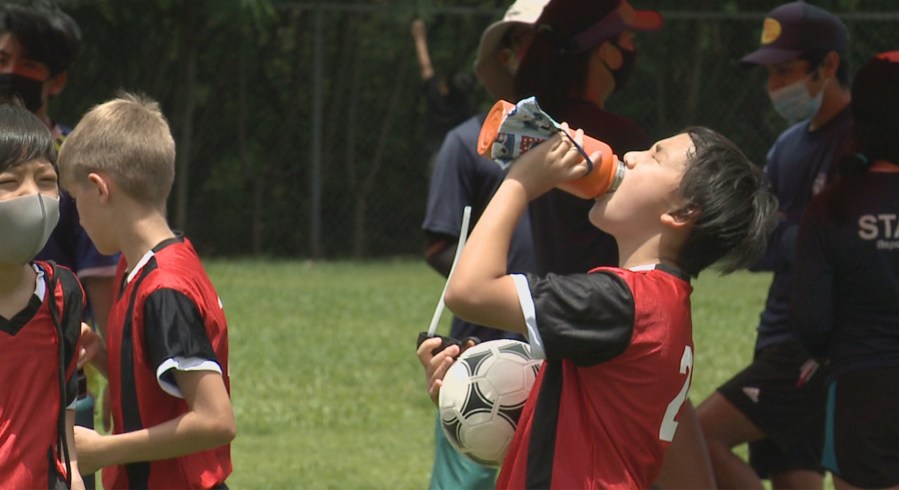
HONOLULU (KHON2) — Summertime means a lot of hours spent outdoors, going to the beach, hiking and enjoying other activities.
With temperatures expected to rise, it’s a good time to remember the importance of staying hydrated.
“Dehydration happens when your body loses more fluids than it can take in. Water is important in everything we do. It helps your brain, your heart, your muscles and even your skin. And when we don’t have enough of it, your body starts to break down,” said Pamela Smith, Family Nurse Practitioner, The Queen’s Health Systems.
There are many symptoms that could indicate you are dehydrated, including thirst, dry mouth, headaches and fatigue.
“But as the dehydration gets worse, the severity of symptoms gets worse as well. Light headedness, dizziness, fast heartrate, trouble staying awake, confusion. Those indicate that dehydration is getting more severe,” Smith said.
Staying on top of your fluid intake is key to preventing or treating dehydration.
“So drinking fluid throughout the day, and especially intaking ample fluids whenever exercising, whenever sick, and whenever it’s hot weather,” Smith said. “In Hawaii, we have so many outdoor activities – wedding ceremonies, baby luaus, graduation ceremonies. And during that time, there’s usually plenty of water available, but people get too busy socializing and forget to drink. So, it’s important to hydrate during those times, especially when there’s alcohol intake happening because that can lead to dehydration. And paying attention to our young keiki and our kupuna because they’re more at risk.”
It’s critical to seek medical attention if there is lightheadedness, dizziness, confusion and difficulty staying awake.
“These are indications you should contact a doctor or nurse practitioner immediately. Also, when there’s decreased urine output, or the urine becomes dark. Or if someone is vomiting and has diarrhea for 24 hours and not able to hold down fluids, then you should also seek care,” according to Smith.
Check out more news from around Hawaii
Dehydration is preventable. Paying attention to your body, staying on top of your symptoms, and hydrating frequently will help keep you and your ohana safe.
To learn more about the services provided by The Queen’s Health Systems, visit their website at www.queens.org.