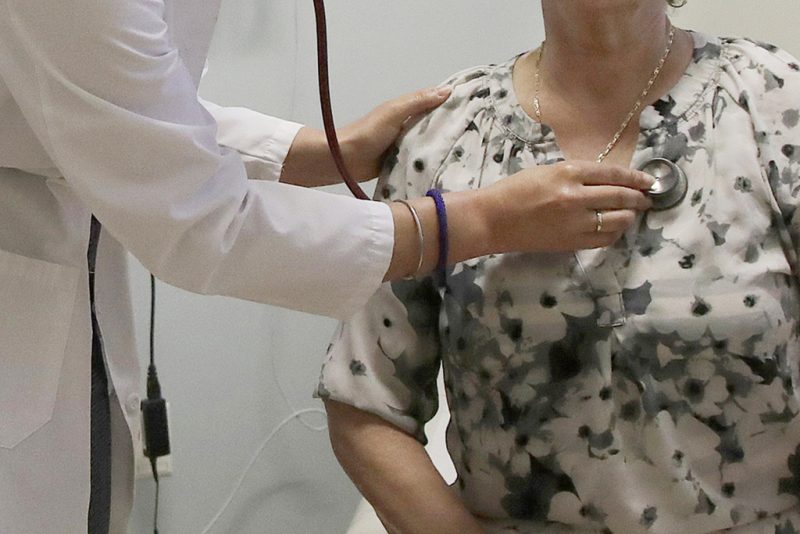
HONOLULU (KHON2) — The doctor shortage in Hawaii is very real. Dr. Lee Buenconsejo-Lum, a primary care physician and dean of Academic Affairs at the John A. Burns School of Medicine, said the numbers are staggering.
The shortage isn’t just several, or even tens of needed doctors. It’s hundreds.
“All physicians short based on the latest workforce report, is you know about 750 to 800,” Buenconsejo-Lum said.
She said the highest percentage of those are PCPs with the shortage attributed to higher rate of doctors retiring and many moving out of state due to increased cost of practicing medicine in the islands.
And while the doctor shortage isn’t new, Healthcare Association of Hawaii President Hilton Raethel said it continues to create a host of problems including long waits.
“They may not be able to get in to see their physician for a number of days, if not weeks,” he explained.
It’s even worse if you’re trying to find a new PCP.
“I hear, on a regular basis, of people looking for six months just to find a PCP,” Raethel said. “The PCPs who are here, many of them, or the majority of them, are already, have very full panels.”
When people can’t get an appointment they go to urgent care or the ER. Raethel said that’s putting extra stress on emergency rooms.
“And the interesting thing is, we know that the population in Hawaii is not growing,” Raethel explained. “But we have a number of hospitals over the last five or 10 years who’ve expanded or even doubled their emergency rooms and yet are still being very, very full.”
He said that’s a critical indicator and added that the shortage of PCPs may also be contributing to more serious health issues because there’s no one managing the overall care of patients, particularly those with long term chronic conditions like diabetes, heart disease and hypertension.
“The good news is there are some initiatives, some very good initiatives going on,” Raethel said.
“We’re trying to grow that pathway,” Buenconsejo-Lum added.
She said that John A. Burns School of Medicine doubled its recruitment for family medicine physicians this year.
They’re also focusing on growing local doctors with 40% of their medical students training in Hawaii.
“Which is great cause we know that if they come to JABSOM and they do their residency training here, 85% of them are likely to stay here and practice,” Buenconsejo-Lum explained.
The legislature is also requesting an additional $30 million for the health education loan repayment program to help new physicians pay down medical school debt.