HONOLULU (KHON2) — It’s summer in Hawaiʻi and with this comes increased heat and humidity that initiates increased pests such as cockroaches and dust. On top of this, we have Kīlauea erupting, which is bringing increased levels of vog.
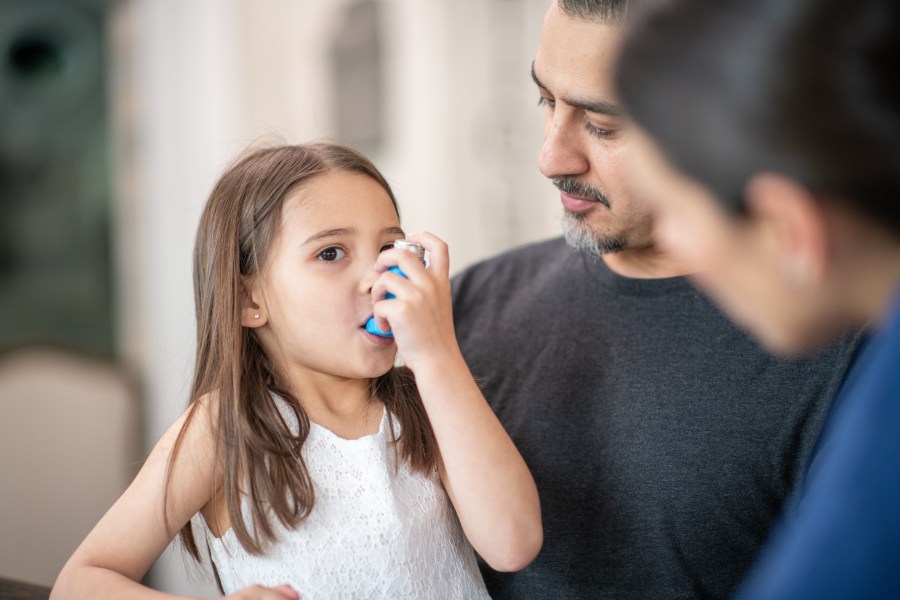
Asthma is more than a cough or wheeze. In Hawaiʻi, it affects thousands of keiki. Hawaiʻi’s Department of Health has launched a new campaign to help families understand what is causing so many asthma flare-ups and how to keep keiki safe and breathing easy.
In Hawai‘i, about 1 in 13 keiki has asthma. That number is even higher for Native Hawaiian children and adults.
For some families, that means late-night hospital visits, missed school days, and constant worry. Asthma can’t be cured, but with the right plan, it can be managed.
So, what does the DOH have to say about asthma and how to protect your keiki and prevent its impacts? Here’s what the DOH has recommended.
Recognize the signs early
Asthma symptoms often look small at first. A cough at night. A tight chest in the morning. Shortness of breath after a walk. These symptoms can come and go or get worse during cold season.
For some keiki, asthma shows up only during exercise or when exposed to certain triggers. Knowing the signs early can help parents take action before a trip to the emergency room becomes necessary.
Know your triggers
“Asthma triggers vary from person to person, such as respiratory infections and environmental factors,” said Dr. Brian Wu, Medicaid Medical Director at HMSA and Pediatric Pulmonologist at Kapi‘olani Medical Center for Women & Children.
Asthma triggers are different for everyone; but in Hawai‘i, certain irritants are common. These include:
- Mold,
- Roaches,
- Dust mites,
- Secondhand smoke,
- Vape aerosols.
- Vog,
- Chalk dust,
- Perfumes,
- Pets,
- Weather changes and
- Viral infections like the cold, flu and RSV.
“Anyone with asthma can have an asthma attack when exposed to a trigger,” added Dr. Wu. “It’s important for everyone in Hawai‘i, especially parents, to identify the triggers that can make asthma worse.”
Create an Asthma Action Plan
Parents are encouraged to use an Asthma Action Plan. It’s a simple worksheet that shows how to track symptoms, use medicine and respond to flare-ups. Teachers, coaches and babysitters can also use it to help your keiki if symptoms appear outside the home.
“In addition to helping parents identify and control asthma triggers, the campaign encourages parents to have an ‘Asthma Action Plan’ for their child,” advised Lola Irvin, Chronic Disease Prevention and Health Promotion Division Administrator.
You can click here to access the worksheet.
Control the home environment
You can start with small steps. Use pillow covers that block dust mites. Keep food in sealed containers to avoid attracting roaches. Clean mold from walls and windows with a safe cleaner. Avoid using strong-smelling sprays or candles. Do not allow smoking or vaping in the house or car, even if windows are open.
Control indoor humidity and use a vacuum with a HEPA filter. Keep pets out of bedrooms and off furniture. Remember that carpets can hold dust and dander.
Prepare for outdoor triggers
When the air is dry or vog levels are high, try to limit time outdoors. Keep windows closed. Watch air quality reports and adjust plans when conditions change. If your child is active in sports, make sure coaches understand how to help if symptoms flare up.
Cold mornings, thunderstorms or high humidity can also cause problems. An Asthma Action Plan can help your child stay active with the right precautions.
You can click here and here to learn more about asthma in Hawaiʻi and how to protect yourself and your family.
Asthma doesn’t have to control your keiki’s life. With the right plan, your they can stay active, safe and strong.