HONOLULU (KHON2) — A Hawaii woman who caught dengue fever while traveling earlier this month shared her story following her recovery.
Doctors say most people who get dengue for the first time will have little to no symptoms, but for this woman, it almost killed her.
She said that doctors called it ‘severe dengue,’ and she caught it while visiting family in the South Pacific.
When she was traveling back to Hawaii, she had a fever, but didn’t think much of it because when she took a pain reliever, the fever went down.
She said she assumed she was just exhausted and slept it off. But then she had fatigue and muscle aches and after a few days, the fever went away.
“Basically, that’s when things got worse,” the young woman said.
Her gums started bleeding, and her body broke out into a rash. She couldn’t figure out what it was and then remembered a conversation from a few days back.
“While on vacation, I heard one of my cousins talking about dengue, how there was an outbreak,” she recalled.
She said the dengue symptoms she saw online were the same she was experiencing.
“I told myself, even though I feel better because my fever is gone, I should go to doctor and find out in case its something serious that I’m spreading,” she said.
She did blood work and went back home and took a nap. Then she got a phone call from her doctor telling her to go to the emergency room.
“She said my platelets were so low, I was at risk of bleeding out and I needed to go to a hospital right away,” she said.
Experts say a normal adult platelet count ranges from 150,000 to 450,000.
“I was down to 20,000 so that was significantly low, and they said if it had gotten lower, like how my gums were bleeding, that would not have stopped,” she explained.
She was hospitalized for days. She said from the time the fever started to being discharged was about 10 days.
The state health department went to her home and put mosquito traps outside to prevent any potential spread.
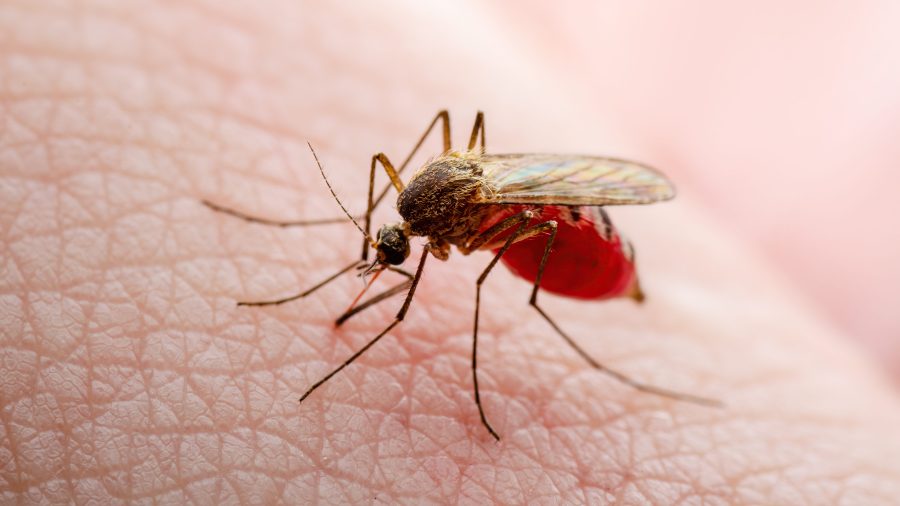
Dengue can be spread through infected mosquitoes. The World Health Organization says newly infected mosquitoes can start transmitting the virus after one week.
The Centers for Disease Control said dengue is a year-round risk in many parts of the world, with outbreaks commonly occurring every two to five years. Recently, it has identified a ‘higher-than expected’ number of dengue cases among returning U.S. travelers from the following countries:
- Brazil
- Burkina Faso
- Colombia
- Comoros
- Cuba
- Ecuador
- Fiji
- French Polynesia
- Guadeloupe
- Guatemala
- Iran
- Mexico
- Pakistan
- Panama
- Philippines
- Saint Lucia
- Sudan
- Tonga.
Anyone who lives in or travels to an area with risk of dengue is at risk for infection, the CDC said.
Experts say first time dengue can go unnoticed.
“First time dengue is usually relatively harmless, and people living in endemic areas typically undergo their first dengue infection while they’re still young kids,” explained Dr. Axel Lehrer, Professor in Tropical Medicine at John A. Burns School of Medicine.
The WHO said most people with dengue will get better in a week or two.
If symptoms occur, they usually begin four to 10 days after infection and last for two to seven days. Symptoms may include:
- High fever (40°C/104°F)
- Severe headache
- Pain behind the eyes
- Muscle and joint pains
- Nausea
- Vomiting
- Swollen glands
- Rash
Individuals who are infected for the second time are at greater risk of severe dengue.
Severe dengue symptoms often come after the fever has gone away:
- Severe abdominal pain
- Persistent vomiting
- Rapid breathing
- Bleeding gums or nose
- Fatigue
- Restlessness
- Blood in vomit or stool
- Being very thirsty
- Pale and cold skin
- Feeling weak
“So what this indicates, is that it is likely that this patient has previously encountered dengue,” Dr. Lehrer explained. “It can lead to life threatening conditions, so it is not something to to take too lightly.”
He said there are four types of dengue virus that are similar, but different enough to trick the immune system.
“The body might think, ‘Oh, I’ve seen this before,’ and then kind of bring back certain antibodies that that the body has developed to fight this dengue infection, but those are not matching the second infection, and so this is how you then develop what now is called severe dengue,” he added.
The Hawaii woman who had dengue didn’t know she had it in the past, and suggests people do their research to see where outbreaks are so they don’t catch it or unknowingly catch it again.
“Before I left hospital the doctor told me I should celebrate because I survived severe dengue, and it could have been fatal,” she said.
The CDC says there are no vaccines or medicines for most viruses spread by mosquitoes.
Officials said anyone who travels to an area with dengue risk, is vulnerable to infection and travelers should take precaution with EPA registered insect repellent, wearing loose fitting clothing, long sleeved shirts and long pants. They add mosquitoes may bite through thin clothing and use a mosquito net when sleeping outdoors.
In 2025, the Hawaii DOH has reported seven travel-related dengue cases, compared to 2024, there were 16 confirmed dengue cases in the state.
From 2021 to 2023, there were nine total confirmed cases.