HONOLULU (KHON2) — Sewer fees on Oahu are set to rise starting July 1, and while the Honolulu City Council is seeking ways to lessen the financial impact on residents, not everyone agrees on the best approach.
“We now have the second-highest rent in the country. Food is expensive. Electricity is expensive,” said Council Chair Tommy Waters. “Now our sewer bill is going to go up by 115%? We’ve got to do something.”
The original rate structure proposed a 50-50 split between fixed charges and charges based on water usage, with a 9% annual increase over the first six years, followed by decreases to 8%, 7%, 6%, and 5% in the remaining years.
A revised proposal introduces a more gradual rate hike, beginning at 6% and peaking at 9% before tapering down to 7% by year 10. It would also shift the cost structure to 40% fixed and 60% variable, aiming to better align sewer charges with actual household water use and promote conservation.
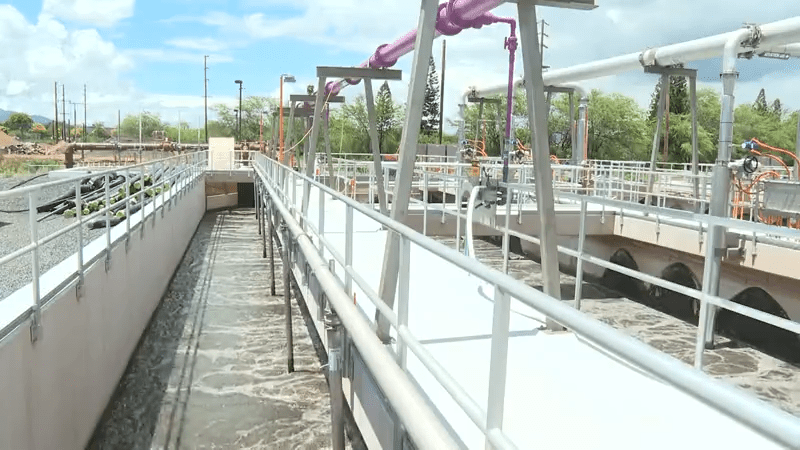
“We need it because there’s a lot of projects we have to do,” said Roger Babcock, director of the city’s Department of Environmental Services. “We have billions of dollars of sewer infrastructure — pipes, manholes, pump stations, and nine wastewater treatment plants.”
To help offset the fee increases, the City Council is advancing Bill 43, which proposes diverting revenue from Oʻahu’s transient accommodations tax — a hotel tax — from the general fund to a sewer fund. Supporters say the move could reduce the burden on residents.
However, Babcock raised concerns about the plan, noting that hotels already charge guests a sewer fee and that shifting tax revenue could hurt the city’s bond rating, which affects its ability to borrow for infrastructure projects.
“If you start moving money around from one source to another that wasn’t part of the financial plan, bond ratings could be degraded,” Babcock said.
Waters compared the idea to using a credit card to pay for necessities. “Pay it up front in cash and save the money we’re paying on interest payments,” he said.
Bill 43 passed its first reading Tuesday but must still go through committee and pass two more full council votes before becoming law.
“No matter which bill ultimately ends up passing, we want to reduce the financial impact on our families while protecting the city’s bond rating,” said Council Vice Chair Matt Weyer. “And ensure we provide that core service — every time you flush or shower, that water has to go somewhere.”