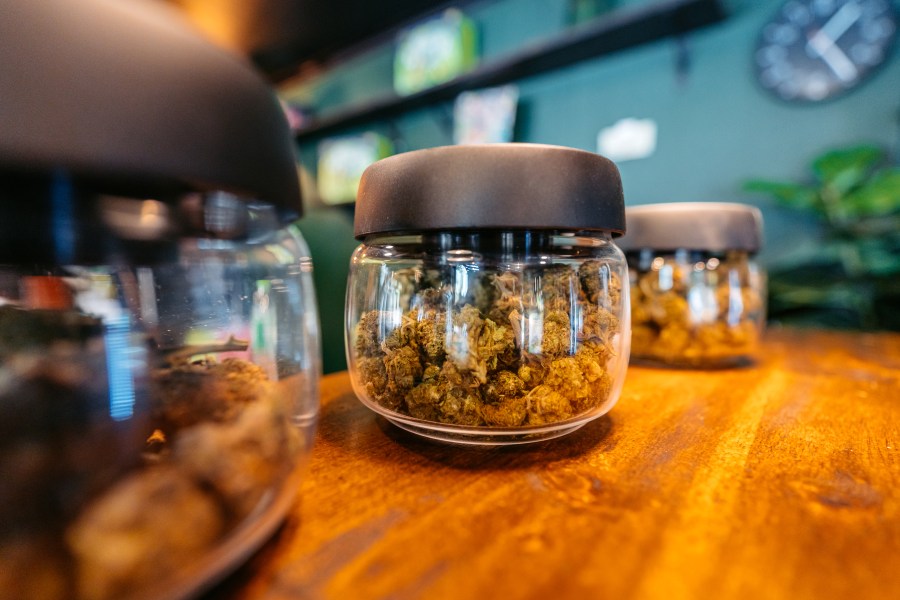
HONOLULU (KHON2) — The fight over whether to legalize cannabis for recreational use is more often than not couched in issues that are also directly related to alcohol consumption. But whether alcohol will remain legal, although it poses many, many more risks than cannabis, is not in question.
One thing that is not often heard in these arguments is the need to protect those who use medical cannabis.
In Hawaiʻi, the conversation around cannabis legalization is heating up, with the state grappling with whether to fully legalize recreational cannabis.
However, one of the major issues at the forefront is how such legislation might affect Hawaiʻi’s Medical Cannabis Program and, more importantly, the patients who rely on medical cannabis for therapeutic purposes.
Dr. Clifton Otto, an ophthalmologist and medical cannabis advocate and activist, has been deeply involved in the ongoing discussions surrounding cannabis legalization, especially in regard to its impact on those who depend on it for medical reasons.
Dr. Otto’s journey into the world of medical cannabis advocacy began in 2011 when he witnessed firsthand how cannabis could benefit a family friend undergoing chemotherapy.
He explained, “I saw how medical cannabis helped him prepare for chemotherapy and surgery, and it played a major role in his recovery.”
He was struck by how cannabis helped his friend maintain his appetite and immune system and ultimately prevented secondary infections that can be fatal for cancer patients.
That experience inspired Dr. Otto to dig deeper into the science of medical cannabis, and he began advocating for more comprehensive protections for patients under Hawaiʻi’s Medical Cannabis Program.
Dr. Otto’s concerns are particularly relevant in light of the proposed HB1246, which seeks to decriminalize adult use cannabis by 2026 and regulate it under the newly established Hawaiʻi Cannabis and Hemp Office.
“While adult use legalization might seem like an obvious step, we need to address the impact this could have on our medical cannabis program,” Dr. Otto said. “It’s not as simple as just broadening access. We risk undermining the patient protections that are currently in place.”
One of Dr. Otto’s key concerns is the potential removal of medical supervision under an adult-use program.
“Cannabis is not like alcohol or tobacco,” he pointed out. “It can cause acute psychosis in some people, especially with high-THC products. That’s why medical supervision is crucial for ensuring that patients use cannabis safely and effectively.”
Under the current medical cannabis program, patients are required to have ongoing medical supervision, which Dr. Otto sees as essential. “When we remove medical oversight, we open the door to potential misuse and harm.”
He went on to explain that while products marketed as “sativa” or “indica” may sound straightforward, they often don’t account for how individual patients respond to cannabis.
“Everyone reacts differently,” Dr. Otto said. “Some people who use so-called sativa strains end up getting sleepy, and some people using indica strains get overly stimulated. The variability in how people respond to cannabis makes individualized guidance all the more important.”
Dr. Otto’s concern isn’t just about the dangers of recreational cannabis use; it’s about the medical needs of vulnerable patients.
“When patients use cannabis, they often do so to self-medicate for conditions like anxiety, depression, or insomnia,” he explained. “That’s why I don’t believe in the concept of ‘recreational use.’ People are seeking relief, not just a high.”
He advocates for treating cannabis as medicine and ensuring that those who rely on it for therapeutic purposes are protected under the law.
In his view, a dual-use cannabis system where both medical and adult-use programs coexist can work, but only if safeguards are in place.
“We can’t throw away the protections that medical patients need just to make cannabis more accessible for the general public,” Dr. Otto said. “That would be a huge disservice to those who rely on it for health reasons.”
Dr. Otto also highlighted a significant issue in Hawaiʻi’s cannabis legislation: the federal government’s ongoing classification of cannabis as a Schedule I drug.
“Because cannabis is still federally illegal, patients and dispensaries in Hawaiʻi face a unique set of challenges. They may not be arrested, but their lives are disrupted in other ways, whether it’s employment issues, access to federal housing or even medical care,” he said. “It’s time that we seriously address these problems instead of just applying temporary fixes.”
This need for clarity and consistency in the law is one of the reasons Dr. Otto has been working with the Hawaiʻi legislature for over a decade.
He has advocated for reforms to the Medical Cannabis Program to make it more patient-friendly, including addressing the federal issues surrounding cannabis.
“If we had been more proactive in seeking federal clarification when the program was first established, we wouldn’t be in this situation today,” he lamented.
HB1246, if passed, could have far-reaching implications for both adult-use and medical cannabis programs. Dr. Otto believes that while there are arguments in favor of adult-use legalization, such as increasing access for patients, these arguments often overlook the potential risks.
“We need to work out the kinks in our medical program first,” he said. “There are still significant problems with patient access, dispensary limitations, and legal uncertainties that we must address before expanding cannabis use to the general public.”
Dr. Otto’s message is clear: while adult-use legalization might be inevitable, it cannot come at the expense of medical cannabis patients.
“We must protect the integrity of the medical program. It’s not just about making cannabis available; it’s about making it available in a way that is safe and beneficial for those who need it the most.”
Ultimately, Dr. Otto believes the solution lies in creating a robust medical cannabis framework that can coexist with adult-use programs. He noted that states can retain authority over medical use, which is a matter of public health, while also allowing for adult use under a separate framework.
“What I envision is a state-run medical cannabis program that is protected from federal interference,” Dr. Otto said. “This way, we can ensure that those who need cannabis for medical reasons have access to it without sacrificing patient protections.”
As Hawaiʻi moves forward with the discussion around HB1246, Dr. Otto’s perspective serves as a valuable reminder that the needs of medical cannabis patients must remain a priority.
“We can’t forget the people who rely on cannabis to live healthier, safer lives,” he said. “Their access to medical cannabis is not just a policy issue; it’s a matter of their health and well-being.”
The debate surrounding cannabis legalization in Hawaiʻi is far from over, but Dr. Otto’s advocacy continues to shine a light on the importance of protecting medical cannabis patients in the process.
You can click here to learn more about HB1246 and here to watch an informational briefing from Jan. 29. You can click here to learn more about Dr. Otto.
As lawmakers consider HB1246, it’s crucial to remember that any decision made must prioritize patient safety and care while navigating the complexities of cannabis law.