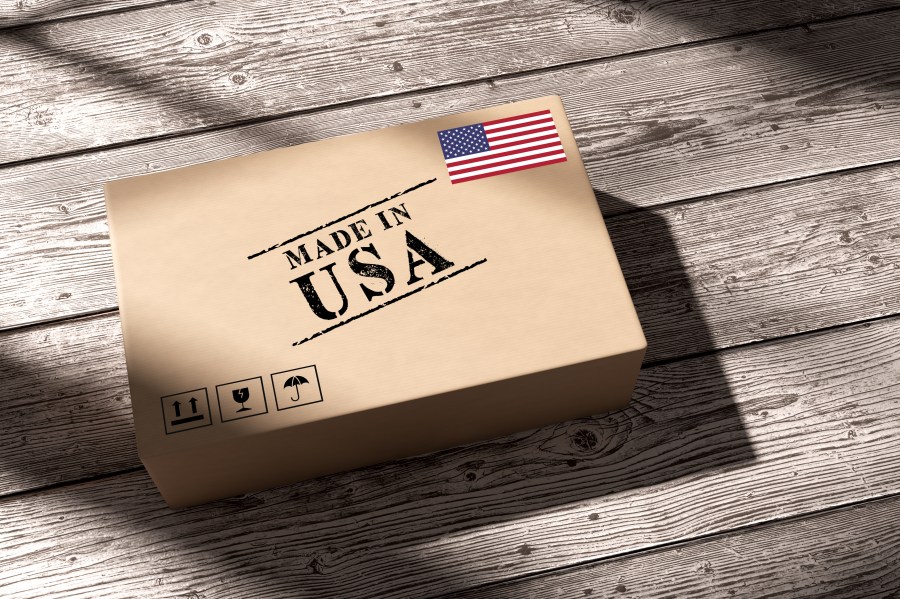
HONOLULU (KHON2) — A recent report revealed that 60% of United States citizens are unwilling to incur additional debt to purchase American-made products.
This statistic underscores a significant shift in consumer behavior that has been influenced by rising household debt and economic uncertainty.
As of the first quarter of 2025, U.S. household debt reached a record $18.20 trillion, with an average debt per household of $151,252.
This financial strain is prompting consumers to reconsider their purchasing decisions, even when patriotic appeals are made.
But what about local made in Hawaiʻi products. Do we feel the same? The report does not delve into this question. We in Hawaiʻi tend to support local, but are we willing to go into more debt to ensure local entrepreneurs have our support?
Here’s what the report found regarding national and international products.
1. Household debt hits record highs
As stated, the U.S. has surged to $18.20 trillion by the end of Q1 2025. This significant increase marks a stark increase from previous years.
This rise is primarily attributed to increases in mortgage and student loan balances. The average debt per household stands at $151,252, indicating a substantial financial burden on American families.
2. Inflation-adjusted debt levels show a different picture
When adjusted for inflation, the current household debt levels are below the all-time highs seen in 2009.
This adjustment provides a clearer picture of the real value of debt over time as it accounts for the effects of inflation.
3. Rising delinquency rates signal financial strain
Delinquency rates have been on the rise, particularly in areas such as auto loans and credit cards. The Federal Reserve Bank of New York reported that serious delinquency rates for auto loans and credit cards have increased.
This is indicating that more consumers are struggling to meet their debt obligations.
4. Consumer reluctance to incur more debt
Despite appeals to support American manufacturing, the report found that 60% of Americans are hesitant to take on additional debt for such purchases. This reluctance is driven by concerns over personal financial stability and the increasing cost of living.
This caution is leading consumers to prioritize essential expenditures over discretionary spending.
5. The impact of tariffs on consumer behavior
Recent tariff policies have further complicated consumer purchasing decisions. While intended to encourage the purchase of American-made goods, these tariffs have led to higher prices for many products and have prompted consumers to delay or cancel plans for big-ticket items.
6. The balance between supporting domestic products and financial prudence
Consumers face a challenging dilemma: the desire to support American-made products conflicts with the need to maintain financial stability.
This tension highlights the complexities of consumer behavior in a globalized economy, where economic pressures often outweigh patriotic appeals.
7. Implications for the economy and policy
The reluctance of consumers to incur additional debt has significant implications for the economy. Reduced consumer spending can slow economic growth, affecting businesses and employment.
Policymakers must consider these factors when implementing economic strategies to stimulate growth without exacerbating financial strain on households.
8. What Hawaii’s doing to strengthen buy local
Hawaiʻi is ramping up its buy-local efforts. The Department of Business, Economic Development and Tourism (DBEDT) is hosting a conference on Tuesday, May 20 at the Hawaiʻi Convention Center.
Themed I Ka Mākeke! Going to Market!, the event will emphasize strengthening local manufacturing and helping small businesses succeed in diverse markets. Key sessions teach entrepreneurs how to target both local and tourist buyers, with insights on branding and cultural sensitivity.
The state is actively supporting local producers with grants, mentorship and shared commercial kitchens to reduce startup costs.
Lawmakers and industry leaders will share collaborative initiatives that connect policy to production.
Tools like the Hawaiʻi Made directory and INNOVATE Hawaiʻi also offer businesses platforms to grow. This conference will help local makers tap into new markets while staying rooted in community values.
You can click here to learn more about the DBEDT event. You can click here to read the full report.
The findings from the report shed light on the financial challenges faced by American households. As debt levels rise and economic uncertainties persist, consumers are becoming more cautious in their spending habits.
While the desire to support American-made products remains, the priority for many is ensuring personal financial stability.
This shift in consumer behavior underscores the need for policies that address both economic growth and the financial well-being of individuals.